Friday 24th April 2020 Home Learning
Hello everyone!
We hope you are keeping healthy, staying safe and are happy during this crazy time. At least the sun is shining! For the children we have called this week, it has been lovely catching up with you and hearing all about the fantastic home learning that is taking place. If you haven’t got a call from us yet, don’t worry you will very soon. Us year 4 teachers have been busy working hard in and out of school, but we have also enjoyed the lovely sun in the garden and we’ve been brushing up on our baking skills! The year 4 team really miss seeing your lovely smiles, but hopefully it won’t be much longer until we see you again. In the meantime, keep up with the good work and now you have the chance to choose one piece of your best work each week and you can send them to us to see. Just send the picture to your teacher’s email. We can’t wait to see your excellent work!
Koalaclass@stpeterswaterlooville.hants.sch.uk (Miss Jackson-Nash – Year 4)
Kangarooclass@stpeterswaterlooville.hants.sch.uk (Miss Honeywell – Year 4)
Reading comprehension
Last term, as you know we were studying traditional tales and exploring the different themes and conventions that they held. For example both Peter Pan and Robin Hood held similar themes such as ‘Good vs. Evil/ damsel in distress’
First reading task: What different themes and conventions are normally found in Traditional tales?
For your second reading task, we would like you to chose two traditional tales and complete the table below.
| Traditional Tales | Similar Themes and conventions | Different themes and conventions. |
|
|
||
|
|
Challenge: Can you discuss and write down a time where you can relate to any of these themes and conventions? For example have you ever stood up against evil? Have you ever over come your fear? Have you ever been the ‘damsel in distress’? Is there anyone in your life that is like a hero?
In addition, please continue to read 20-30 minutes daily. Try and read a range of texts too.
Writing activity
As a birthday treat geologist Dorothy Stoffel, was taken by her husband Keith, who was also a geologist, in a plane over Mount St Helens. Dorothy was overwhelmed and in awe of the huge mountain and its crater, until it started to shake and segments of the mountain began to fall. She realised she was flying over an erupting volcano!
This is a photo that Dorothy took from the Aeroplane as the Volcano started to erupt!

For your writing task this week, imagine you are Dorothy. Write a recount of the events that happened. Be creative! You could write this as a diary entry, a newspaper interview, a letter to warn people not to fly over volcanoes!
Be sure to use: dramatic language, conjunctions (as a result, consequently, whenever, which) and use your 5 w’s to help you add detail (who, what, when, where, why).
Spelling
This week, we would like you to revise the following Y3/4 spelling homophones from our list:
Too two to main mane weight wait ate eight
Pick one of the following strategies, to practise your words: silly sentences, spelling stair case or spelling spirals. Now draw each word.
Please note: for those working on Y2 common exception words, use the following online ‘Bouncing Anagram’ game (use ‘single player’ mode).
https://www.spellzone.com/word_lists/games-32308.htm
Maths
To consolidate our learning on dividing numbers by 1, 10, 100, watch the video on bitesize. Then using a dice, roll a 3, 4 or five digit number.
https://www.bbc.co.uk/bitesize/topics/z36tyrd/articles/z2fkwxs
Then divide the number by 1, 10 and 100 (can you challenge yourself and divide it by 1000?)
- When you divide by 1 the answer stays the same. 21 ÷ 1 = 21
- When you divide by 10, move all the digits one place to the right. 210 ÷ 10 = 21
- When you divide by 100, move all the digits two places to the right. 2100 ÷ 100 = 21
Make your own place value grid to help you. Think about what place values you need. What if your number becomes a decimal?

Challenge:
Can you divide numbers to create a decimal (for example 7 ÷ 100 = )
What did you notice? How could you change the number?
https://www.bbc.co.uk/bitesize/topics/zsjqtfr/articles/zsbd7p3
Remember that sumdog, times tables rockstars and My Maths have also been updated with activities.
Science
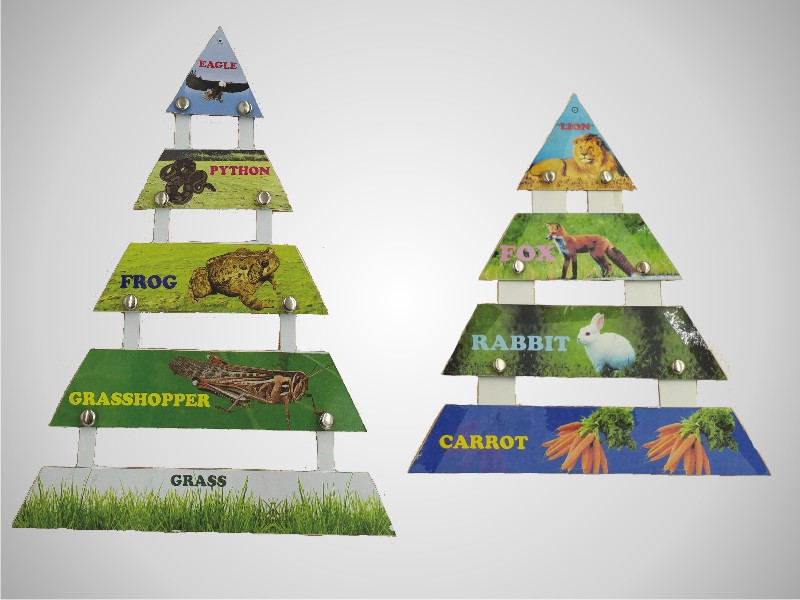
As we already know, animals are categorised into predators, prey, producers. We also know it is very important that there remains a balance in the food chain otherwise it may affect animals further up the food chain (for example, if there was no grass, the rabbits would not have anything to eat, which would then affect the foxes).
Your science task this week is to fill out the worksheet to consolidate your learning.
https://content.twinkl.co.uk/resource/24/b6/AU-T2-S-052-Food-Chain-Worksheet.pdf?__token__=exp=1587981983~acl=%2Fresource%2F24%2Fb6%2FAU-T2-S-052-Food-Chain-Worksheet.pdf%2A~hmac=33b3c8876ef0367394ca3138a5fe070240aa69556c5401c5c8282116692b6f26
https://www.twinkl.co.uk/resource/au-t2-s-052-australia-food-chain-worksheet
(Image of worksheets below. Apologies for those experiencing problems with the website. Hopefully the link above will now work)


Once you have completed the sheet- Can you create your own food chain model. Here are some ideas of how you can make this…

Topic:
On Tuesday 28th April, Author Robin Price will be reading Beowuff on the following site www.facebook.com/mogzillabooks – This is an excellent resource that follows our topic theme of Anglo-Saxons.
These workshops will provide your child with lots of learning opportunities such as;
Listen to an author, learn how to plan their own stories, show different techniques to start their own gripping story, to learn more about a historical period and participate in fun quizzes.
Anglo-Saxon Viking theme with readings of Beowuff by Robin Price suitable for ages 8+
Download the workshop materials before: http://club.creativewritingclub.co.uk/themes/the-vikings/
Music (Mrs Sumba)
Steve Reich and Music for 18 Musicians.
Go to the website below and watch Naomi Wilkinson’s video about Steve Reich. Try to answer her questions and join in with the activities she sets.
https://www.bbc.co.uk/teach/ten-pieces/classical-music-steve-reich-music-for-18-musicians/zk44y9q
Can you create your own short rhythmic pattern (motif?)
What could you play it on?
Can other people in your family create their own and can you play them at the same time?
Art (Mrs Pearson)
Art Challenge: UNDER THE SEA
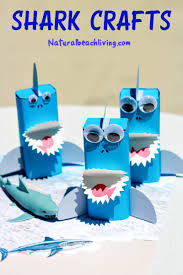
The title for your art this week is ‘Under the Sea’. This can take the form of a drawing, a painting, a sculpture, a collage or anything else that you would like to create. As always, I’m sure you will impress me with your creativity!
Here are some ideas


However, if this doesn’t appeal to you can still send any other art work to me and I will post that on the Blog too.
Please email your artwork to me:
n.pearson@stpeterswaterlooville.hants.sch.uk
Thank you
Keep creating and keep safe!
Design and Technology:
Before the schools shut, Year 4 was planning on opening their own St Peters Subway to make and serve a friend a sandwich.
We tested and evaluated different deli products, understood the nutrition food gave and designed a sandwich for a friend by listening carefully to what they liked. Once the children had designed their product, we then went through how to make this sandwich, what tools we would need and how to stay safe in the kitchen. We were all ready to go, but unfortunately the schools shut. So your task this week is to combine all these skills help create something in the kitchen. This could be a sandwich, wrap, pitta, baked goods or a lunch time meal! Take a photo of your masterpiece and annotate it with the skills you used!
STEM – family activity:
The activity: Make objects move without touching them by charging them with static electricity. ExpeRiment: with different objects to see how static electricity affects them. Learn about charged particles like electrons and how things gain or lose charge.
https://www.rigb.org/families/experimental/static-magic – for a video clip about the experiment and a full version of the activity information sheet.
What you will need:
- A balloon • A cotton towel or T-shirt or a woolly jumper • Some scrap paper • A paper/plastic drinking straw (optional) • An empty 500ml plastic drinks bottle (optional) • A hard plastic comb or ruler (optional) • Other household objects to test.
What to do:
- Charge up a balloon and try picking up scraps of paper with it.
- Investigate whether the amount you rub the balloon affects how much paper it can pick up.
- Investigate whether the size of the scraps of paper makes a difference.
- Find out how close you have to be to the paper before the balloon makes it move.
- Try bending a stream of water like Hector does in the video.
- Try balancing a straw on top of a bottle lid and seeing if you can make it spin like in the video.
- Find out which objects are attracted to the charged up balloon and which are repelled by it.
- Try holding a charged balloon near your hair or your skin.
Going Further:
Try rolling an empty soft drink can along the ground using a charged up balloon http://bit.ly/StaticCanRoll
Try lighting up a fluorescent lightbulb with a charged up balloon – as described here: http://bit.ly/LightBulbBalloon
Try tying two balloons to strings and seeing if you can charge them up with static electricity then hang them up so they repel each other.
Read more about static electricity http://bit.ly/ MoreStaticScience
HAVE FUN!
Friday 17th April 2020 Home Learning
Reading comprehension
Please see the Guided Reading pack, attached below. We would like you to read through the ‘Enormous Eruptions’ article and then have a go at the retrieval and ‘vipers’ questions on the following page. Watch out! They are tricky
Enormous Eruptions Guided Reading
- For those who do separate work for Guided Reading, please see the ‘Song of the Seasons’ activity card, attached below. Read through with an adult first before having a go at the tasks…
Song of the Seasons Activity Card
In addition, please continue to read 20-30 minutes daily. Try and read a range of texts too.
Writing activity
Below is a link to a picture of a tsunami. To continue our learning on complex sentences and subordinate clauses, use the photo and story to create your own conjunction sentences that describe what happened during this natural disaster. Try the conjunctions: because, although, whenever, as a result, consequently, since.
Challenge: could you write from the point of view of one of the car passengers? For instance: Whenever the waves crashed down beside us, several jets of salty water had sprayed across our car windows.
http://www.pobble365.com/the-tsunami
Spelling
This week, we would like you to revise the following Y3/4 spelling homophones from our list:
there their they’re write right reign rain
Pick one of the following strategies, to practise your words: silly sentences, clapping syllables or spelling spirals. Now draw each word.
Please note: for those working on Y2 common exception words, use the following online ‘Bouncing Anagram’ game (use ‘single player’ mode).
https://www.spellzone.com/word_lists/games-32308.htm
Maths
To consolidate our learning on multiplication, division and the inverse, please click the ‘x and ÷’ tab on the weblink below, for a fun game to make related number facts. How big can you make your fact family?
Here is an example…
4 x 3 = 12 3 x 4 = 12 12 = 4 x 3
12 ÷ 3 = 4 12 ÷ 4 = 3 4 = 12 ÷ 3
Challenge: What if one of your numbers was ten times bigger? How would your answer change? Can you represent each fact on a bar model? For a challenge, select ‘2 to 12 times tables’. If it’s tricky, try ‘2 to 5 times tables’ on the website.
https://www.topmarks.co.uk/number-facts/number-fact-families
Remember that sumdog, times table rockstars and My Maths have also been updated with activities.
Science
To recap our learning on animals including humans, use the website below to have a go at creating your own hybrid creature! Label each part of the body in your books and describe how your creature has been adapted to live in one of the following habitats…
Desert Rainforest Mountain City
When you are ready, have a go at the game! Don’t forget to read the ‘how to play’ instructions first, to help your new creature to survive…
http://www.blueplanetdiaries.com/createacreature/create_creature.html
Family STEM activity – Miss Stapley
Fizzy Bottle Rockets
Click on the links below to view a video and download the information sheet:
https://www.rigb.org/families/experimental/fizzy-bottle-rockets
https://www.rigb.org/docs/fizzybottlerockets_infosheet_v2_0.pdf
Questions to ask children:
When the tablet is put in the glass of water – what do you think is in the bubbles?
Where do you think the bubbles are coming from?
What do you think would happen if we used more than one tablet? Why?
What do you think would happen if we used warm water? Why?
Before making rocket:
What do you think will happen if we put some tablets and water in this bottle and close the lid? Why?
What things could we change to make the rocket go higher?
Going further:
Experiment with different sizes of bottle and different combinations of water and tablets to find out what combination gives you the highest flying rocket.
- Does it matter how many tablets you use?
- What about if you break the tablets into smaller pieces?
- How does the temperature of the water affect things?
- Watch a flame powered bottle rocket: http://bit.ly/FlamingBottleRockets
- Learn more about propulsion by building a balloon powered car: http://bit.ly/BalloonCars
Topic
Now that we have been learning about lots of earthquakes and volcanoes, can you make your own set of Natural Disaster Top Trump cards to play with your family? Use the link below to help. You could include information about your favourite volcanoes and earthquakes that we have studied. For more of a challenge can you include some of the following natural disasters and research them to find out more?
hurricane tsunami tornado storm
Natural Disaster Top Trump cards
Religious Education – Miss Honeywell
As part of your RE learning and reflection upon Easter, we would like you to complete ONE of the following activities, in order to develop your knowledge of this special time in the Church calendar…
- Design your own Easter Egg and include as many symbols for new life as you can!
- Create a comic strip cartoon of the key events that took place in the Easter story.
- Write a journal that includes the thoughts and feelings of Mary and the disciples, when they had discovered the empty tomb.
- Draw your own Good Friday crucifix and fill it with prayers for Jesus, as well as those around the world who have been working hard and making sacrifices for the good of others.
- Make a prayer station at home, for moments of peaceful reflection. Choose an Easter prayer as part of your worship, from https://cafod.org.uk/Pray/Prayer-resources/Easter-prayers
- Build your own Easter word search and include as many religious key words as you can, e.g. Resurrection, Sacrifice, Miracle, New Life, Tomb.
- Decorate your own Easter postcard with a Biblical image. Record your own Happy Easter message and spread the Good News to one of your friends!
Music – Mrs Sumba
Musical Trailblazers – Delia Derbyshire and Doctor Who
Go to the website below and watch Segun Akinola’s video about Delia Derbyshire. https://www.bbc.co.uk/teach/ten-pieces/classical-music-delia-derbyshire-doctor-who-theme/zfh792p
Why was she a musical trailblazer?
Can you use everyday objects to recreate the Doctor Who theme tune?
Challenge-can you play around with your sounds and find a way to record them?
Art Home Learning – Mrs Pearson
The title for your art this week is ‘NEW LIFE’. You can be as creative as you like. It could be a drawing of yourself as a baby, a baby animal made out of kitchen roll tubes, a photograph of a tree with buds, an Andy Goldsworthy inspired piece of art made out of natural things in your garden or when you have been on a walk. Impress me with your creativity!

Please email your artwork to me:
n.pearson@stpeterswaterlooville.hants.sch.uk
Thank you!
Keep creating and keep safe!
Mrs Pearson
Y4 Easter Holidays Home Learning
Hello everyone,
We hope that you are all keeping well and staying safe at home. Here is your home learning for the Easter holidays. We have set two RE mini projects – one for Holy Week and one for Other Faiths. Rather than setting a wide range of tasks and topics, we have decided on an RE home learning focus for each year group…
Please remember to continue with:
- 20-30 mins Daily reading
- Times tables/number facts
- Sumdog and My Maths learning
Enjoy!
Friday 3rd April – Religious education
As part of your RE learning and preparation for Easter, we would like you to focus upon Holy Week – this is when Christians reflect on the final week of Jesus’s life. Can you complete ONE of the following activities, to develop your knowledge of this special time in the Liturgical Year?
- Create a PowerPoint that includes information about each station of the cross.
- Write prayer booklet, to thank Jesus for His sacrifice and offer prayers of strength and support to those who are suffering.
- Record the thoughts and feelings of Mary in a journal – how would she have felt at this time? Why?
- Make a stained glass window about ONE of the stations of the cross that means the most to you.
- Host a worship session with members of your household. Can you choose a special image or bible passage to use as part of your reflection on the events of Holy Week?
- Write the words ‘Holy Week’ in large bubble writing and include any relevant religious symbols, signs and Holy colours to decorate it with.
- Look up the stations of the cross online and read the Bible story. Can you use drama or role play to re-enact each scene and remember what happened?
Friday 10th April – Religious education
This week, as part of your RE learning, we would like you to focus upon Judaism. Can you complete ONE of the following activities, to develop your knowledge of this faith further?
- A painting of all of the religious symbols found within this faith? Label what each one is called/used for.
- An information poster including 10 key facts about the religion.
- Write a diary entry for a follower of this faith – what would their day look like and how would they pray?
- Build a place of worship for your chosen faith (i.e. a Jewish synagogue).
- Create a piece of music that could be used for prayer by the followers of this religion.
- If you could make a set of rules or commandments for this faith, what would they be?
- Create a set of top trump, ‘snap’ or ‘pairs’ cards about this faith, to play with your family members.
Additional Year 4 Easter holiday Art tasks – Mrs Pearson
Create a drawing or painting of either Palm Sunday or Good Friday in the style of Vincent Van Gogh, as he is one of the artists we have studied this year. For example, think of one of his famous paintings, such as Starry, Starry night, and use this as inspiration for your own picture.
Fancy something different?
Make a stained glass window about ONE of the stations of the cross that means the most to you.
OR
Create your own Easter Garden, include a simple cross, cave/tomb, add flowers and/or seeds that will grow over Easter.
Email your art work to me, at n.pearson@stpeterswaterlooville.hants.sch.uk
Home Learning 27.03.2020
Reading comprehension
Please see attached the non- fiction report on Volcanoes. Answer the questions at the bottom of the sheet.
If you find any tricky words, highlight them and discuss with your grown ups or people at home to help you. Or you could make your own key word glossary.
In addition, please continue to read 20-30 minutes daily. Try and read a range of texts too.
Volcano Reading T-G-059-World-Volcanoes-Comprehension-Worksheets
Writing activity
Below is a link to a video showing a farmer planting windmills. As we have been studying different impacts on our environment, we would like you to research the effects of wind farms and write a non-bias news paper article about the different opinions people have on them. Please include: rhetorical questions (Did you know?), Casual conjunctions (consequently) and key statistics.
https://www.literacyshed.com/windmillfarmer.html
Spelling
This week, we would like you to practise the following Y3/4 spelling words from our list:
Island Describe Probably Favourite Perhaps
Pick one of the following strategies, to practise your words: rainbow write, graffiti wall, lego writing or spelling scribbles.
Please note: for those working on Y2 common exception words, use the following online word search instead (play using ‘single player’ mode).
https://www.spellzone.com/word_lists/games-32308.htm
Maths
As we have started our learning on multiplication and learning about associative law, this activity will help you practise your times tables and use your number sense to help you.
Using three dice (or picking 3 numbers from 1-6), put them together and see what sum combinations you can come up with. For example, if I rolled a 4,6,5 I could multiply (6 X 5) and then X4. Think about swapping the numbers, do you have the same answer? If not can you find the smallest and largest number.
Challenge: Can you use numbers 1-20. Think about using a multiplication grid to help you times 3 digit numbers if necessary.
Remember that Sumdog and Times Tables Rockstars have also been updated with activities.
Science
We have been learning about our digestive system! Here’s a science project to demonstrate the process of digestion.
https://www.bbc.co.uk/bitesize/topics/zf339j6/articles/zrm48mn
We are aware that some of us have already had fun with this project at school so if you want to show off all of your digestion knowledge, using play dough, drawings or recyclable objects around the house, can you make a 3D model of the oesophagus, stomach , small intestine and large intestine. As a challenge, research these body parts and find fun facts that you could label your model with.

OLYMPUS DIGITAL CAMERA
Topic
Following on from our learning on earthquakes, please take a look on the following website and use the information to create your own Health and Safety poster, to inform people how to stay safe recover from an earthquake.
https://www.bbc.co.uk/bitesize/topics/z849q6f/articles/zj89t39
https://www.weatherwizkids.com/weather-safety-earthquake.htm
Art
This week I would like you to create something with a paper plate. Please don’t worry if you do not have one at home you can just draw around a plate and then cut it out.
I would like you to link it to the country that your Year Group is studying, so here are some ideas. However, any creation would be wonderful.
Please email a photo of your artwork to me and I will share it on the Art Blog.
Keep creating and keep safe!
Mrs Pearson
n.pearson@stpeterswaterlooville.hants.sch.uk
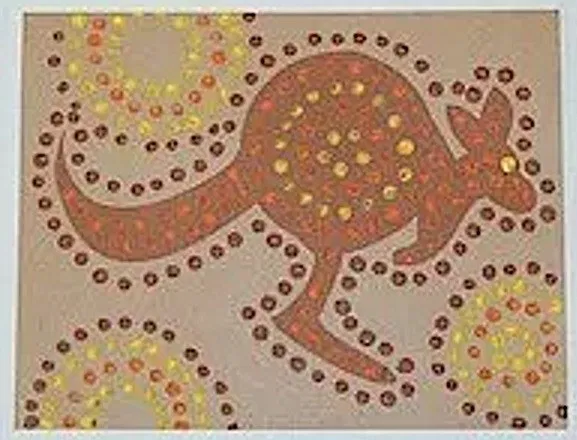
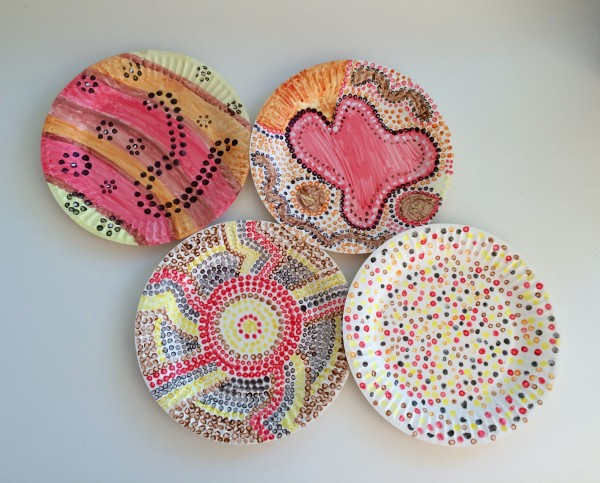
Australian Aboriginal Paper plate ideas
Tip! A cotton bud is a great way to make dots with paint.
Felt tip pens work well too, only don’t press too hard or you’ll damage the nib!
Home learning : 20.03.2020
Reading comprehension
Please see attached the non- fiction report on Earthquakes. Answer the questions at the bottom of the sheet.
- If it feels tricky, try the * sheet
- If you feel confident, try the ** sheet
- If you feel ready for a challenge, try the *** sheet
t2-e-2222-earthquakes-ks2-differentiated-reading-comprehension-activity_ver_1
In addition, please continue to read 20-30 minutes daily. Try and read a range of texts too.
Writing activity
Below is a link to a picture of a habitat that is in danger. As we have been writing passionately to Greta Thunberg about climate change recently, can you now apply those skills at home? Write a letter to persuade humans to treat animals with more respect. Please include: rhetorical questions, deforestation facts, causal conjunctions and time words.
http://www.pobble365.com/save-our-habitat
Spelling
This week, we would like you to practise the following Y3/4 spelling words from our list:
through thought favourite ought although enough
Pick one of the following strategies, to practise your words: rainbow write, pyramid or spelling staircase. Can you highlight the digraphs?
Please note: for those working on Y2 common exception words, use the following online word search instead (play using ‘single player’ mode).
https://www.spellzone.com/word_lists/games-32308.htm
Maths
As we have started our learning on multiplication, below is a link to a fun combination game. Think systematically to be effective and use the grid at the bottom of the webpage to draw out the ‘sets’ of coloured cups and saucers. If you are finding this tricky- change the problem to only white, red and blue cups then complete on a grid of 12 boxes. If you would like a challenge, add one extra colour and another row to your grid!
Remember that Sumdog and Times tables rockstars have also been updated with activities.
Science
We have been learning about teeth! Here’s a science project to reinforce the importance of tooth brushing: place an egg in vinegar for a couple of days, the vinegar will eat off the shell (tooth enamel). Can you record what you observe each day?
Pick one of the following tasks, the details of which can be found on the website below…
- Smiles collage (challenge: label each type of tooth you made)
- ‘Good food for my teeth’ poster (challenge: add a calcium fact)
https://www.childfun.com/themes/people/dental/#Dental_Arts_and_Crafts
Topic
Following on from our learning on volcanoes, please take a look on the following website and use the information to create your own Health and Safety poster, to warn people about the dangers of living near a volcano.
https://www.nationalgeographic.com/environment/natural-disasters/volcanoes/
Poetry Competition 2020
Hello,
We hope that you have had a good week so far and that you are enjoying the recent sunshine this Spring.
This week, we have started our new unit of learning on Volcano and Earthquake news reports. The children are very excited to work towards our final outcome – a video recording from each of our news teams, who shall be reporting on the natural disasters that have taken place in Hawaii. This week, we watched a series of news reports and studied a variety of published articles, in order to develop our vocabulary and build key word banks to help us describe the volcanoes and earthquakes in more detail. As the week progressed, we played a variety of ‘snap’ and ‘pairs’ card games, which enabled the children to develop their understanding of the meaning for each key word by matching these terms to a set of different images. By creating glossaries and performing news reports through Pie Corbett, both Year Four classes had developed their comprehension skills, with regards to the key words that shall be covered across this topic. Next week, we look forward to incorporating our new vocabulary within a range of sentence types.
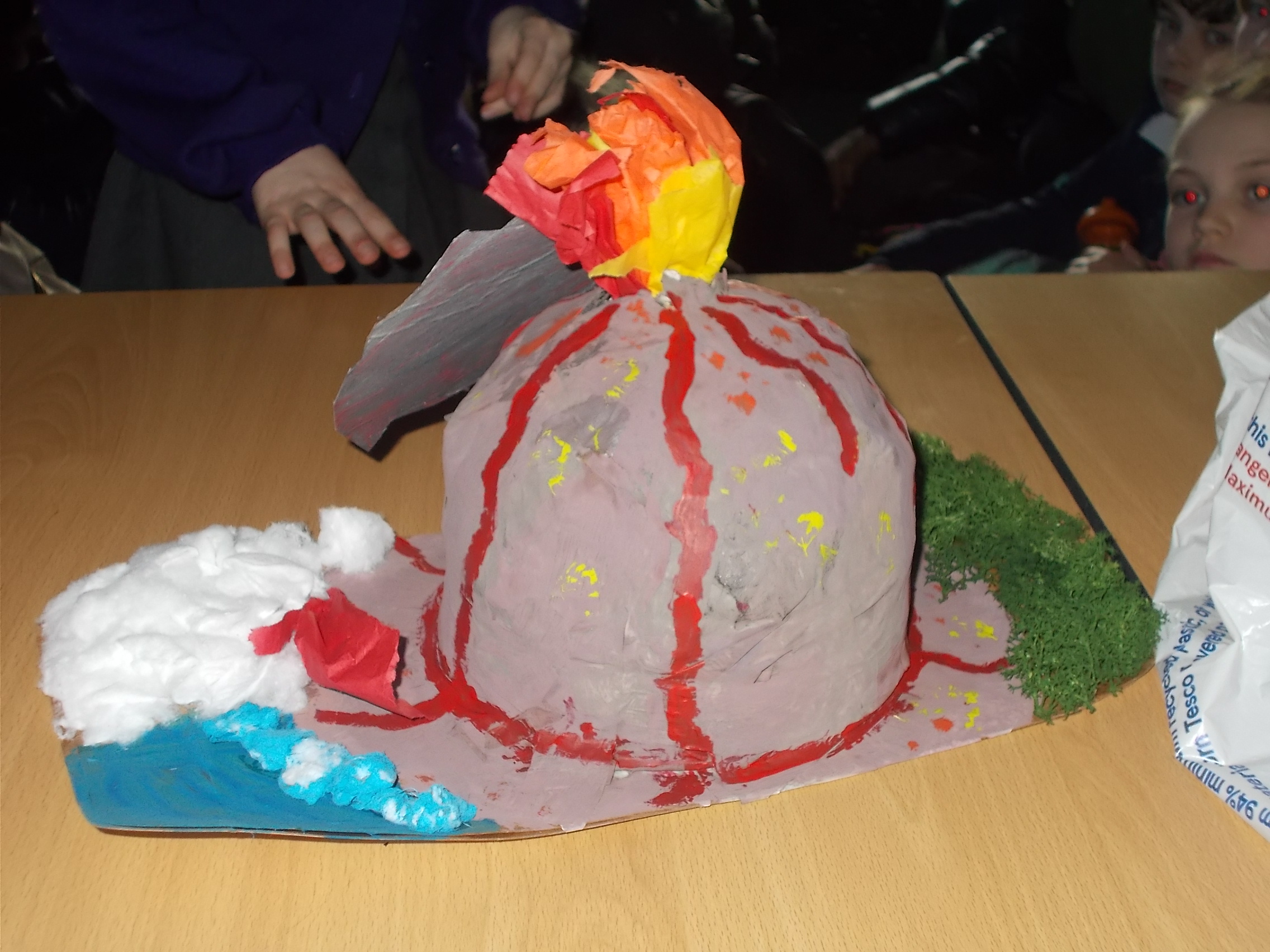
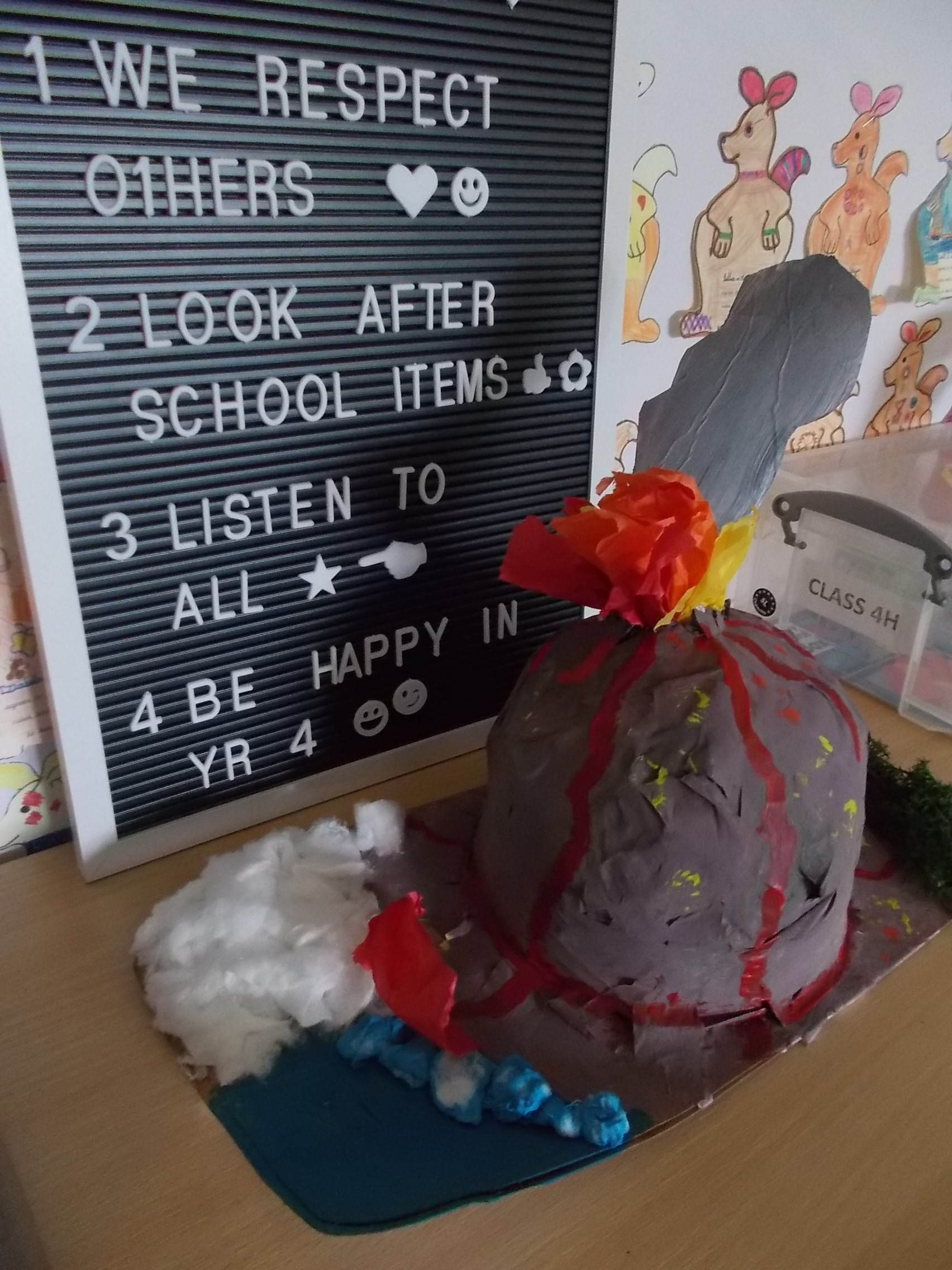
Please see the picture below of a volcano that was produced as part of Home Learning:
In Maths, Year Four have been working hard on their learning of Time. For example, we have been learning how to tell analogue (12 hour) and digital (24 hour) time, whilst also recapping on how to convert between seconds, minutes and hours. In addition, we have been looking at how to use number bonds to 60 in order to calculate how many minutes are left of an hour, until the next hour on the clock is reached. Later on, the children used number lines to interpret and solve a range of tricky time interval problems. We were very impressed by the commitment and collaboration that had been demonstrated by each group of children. Next week, we look forward to completing our work on Time, before moving on to our next unit of learning: multiplication and division.
Today, our three competitors from Year Four took part in the St. Peter’s Poetry Competition 2020. We would like to congratulate our three poets for their exceptional performances in the event. Well done to Leo and Calin, and for Emi who won first place in the Year 3/4 category. We were very proud of you all!
Wishing you all a fantastic weekend,
Kind regards,
Miss Honeywell, Miss Jackson Nash and Mrs Cairns.
World Book Day
Hello,
We hope you all have had a lovely week and hopefully the sun will shine for us at the weekend.
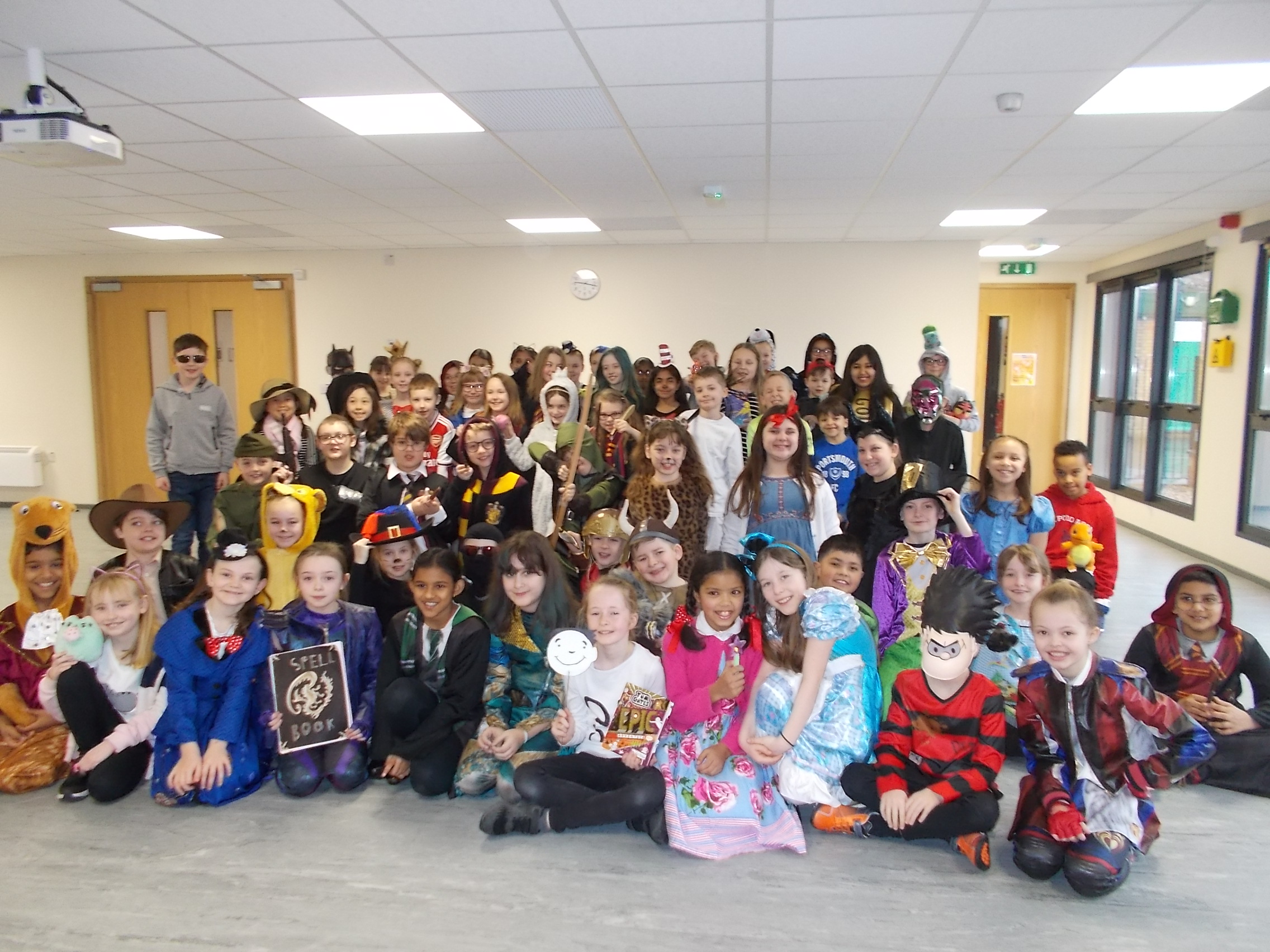
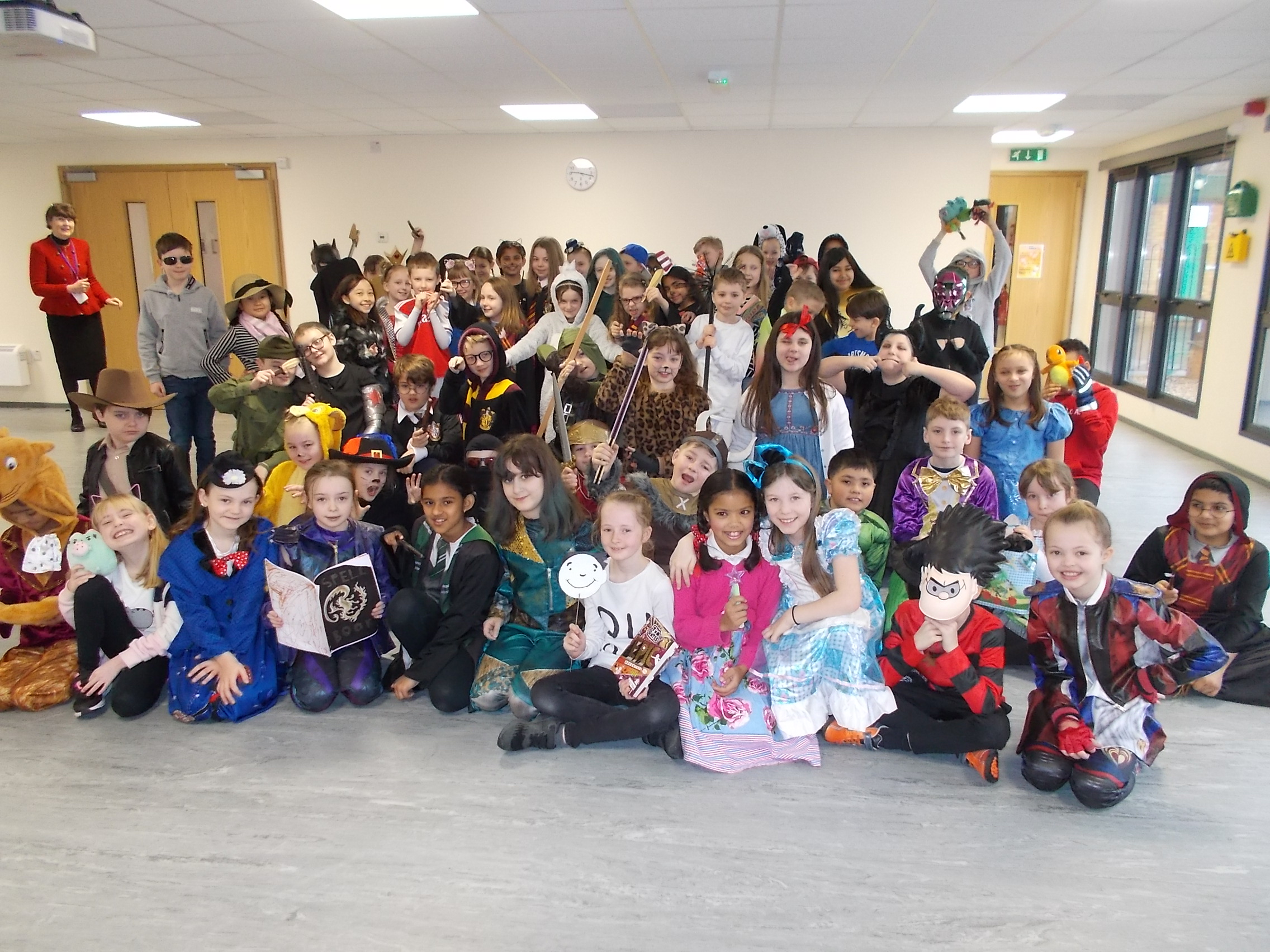
This week it was fantastic to see all the amazing characters children dressed as for World Book Day. It really is a super way for children to share their favourite books and encourage others to read!

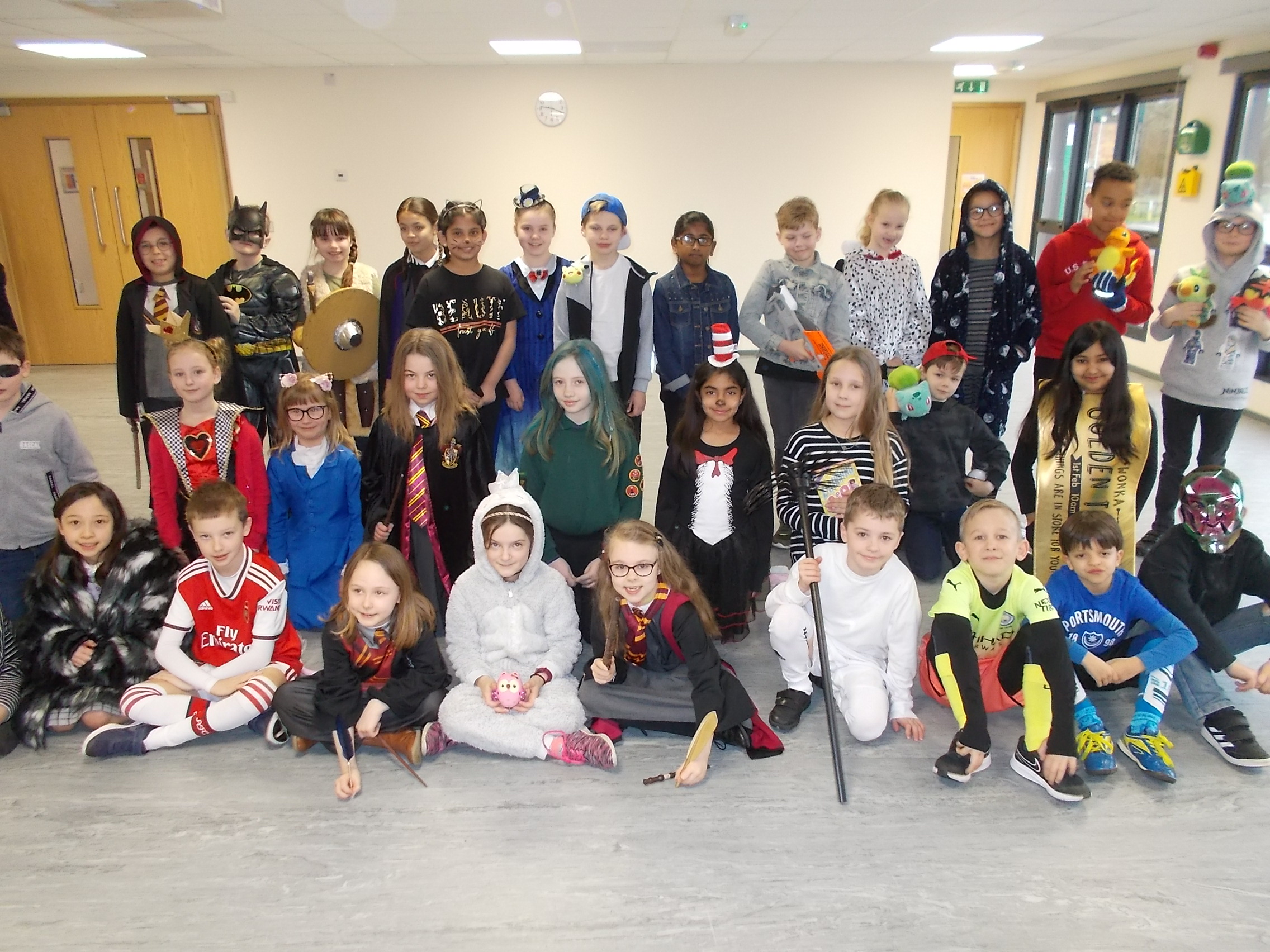
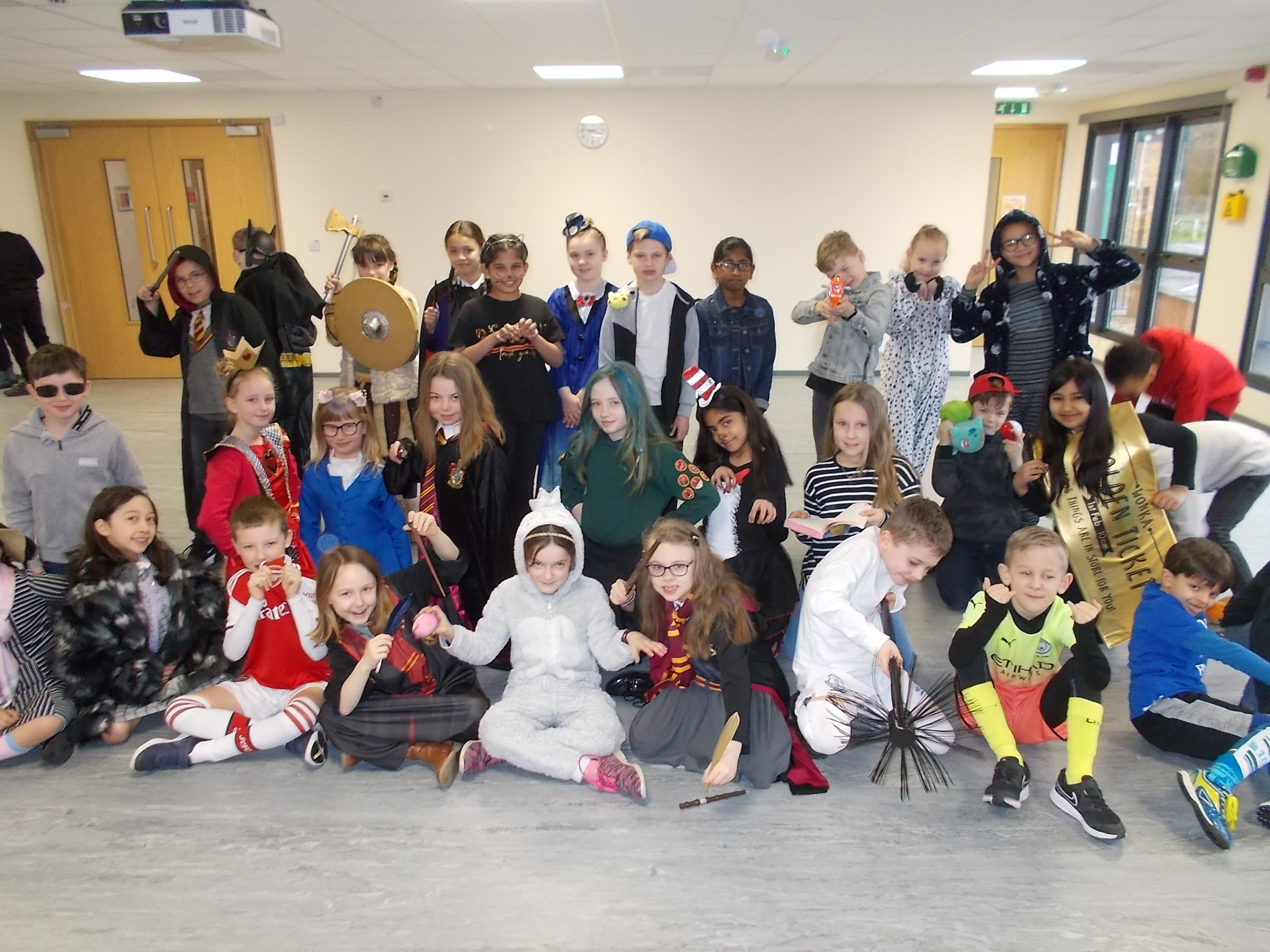
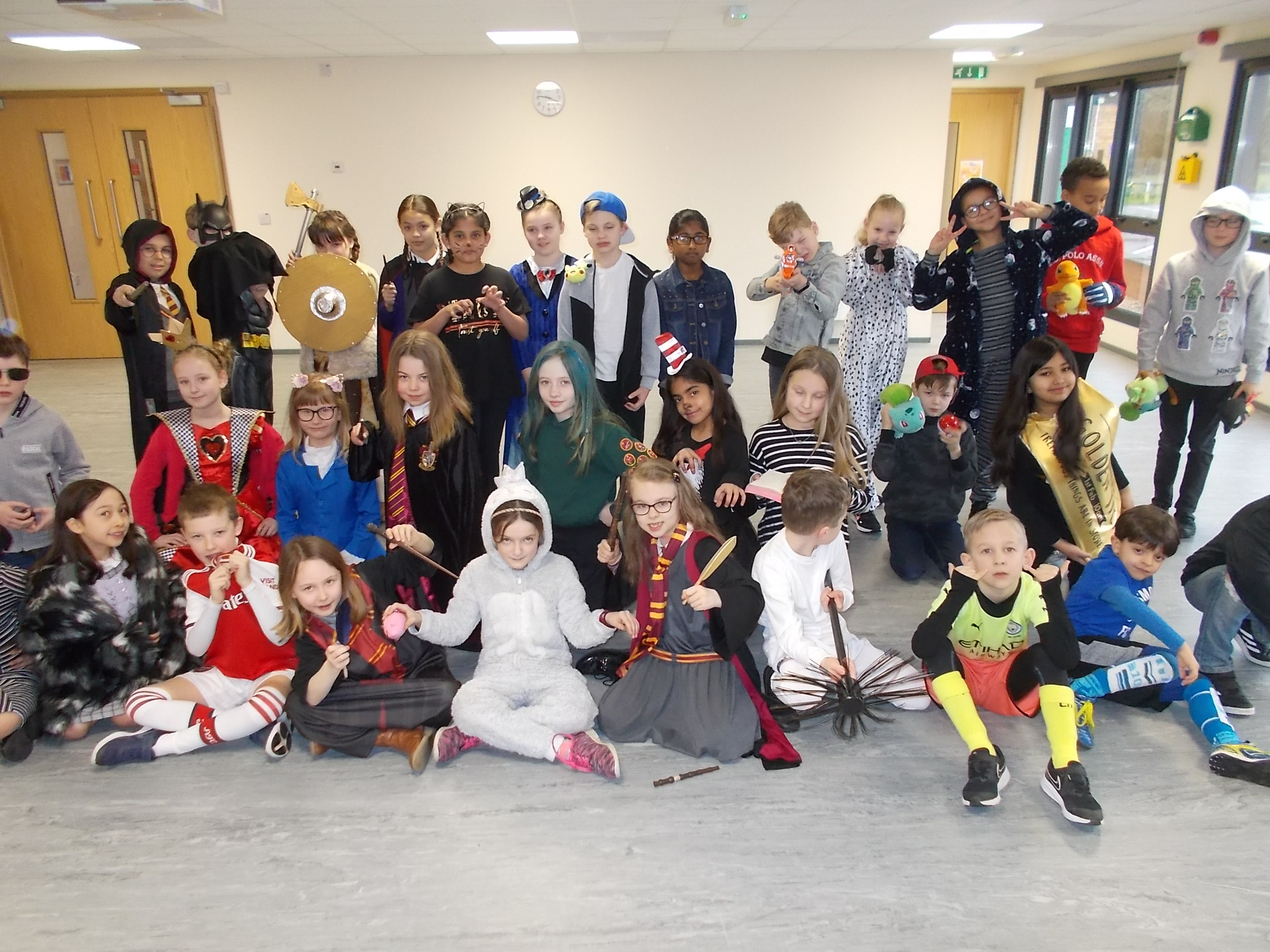
In English, year 4 all week have been perfecting and publishing their ‘Save the world’ letters and they are ready to send off to Greta Thunberg! For the next English unit, which will start on Monday, children will be investigating natural disasters in order to create a news report for the camera!
In Maths, Koalas have worked really hard perfecting addition and subtraction problems. We looked at a range of multi-step problems where they had to determine what steps to take first and what operation to use. Next week we will begin our next ‘Time’ unit and focusing on time intervals and crossing time boundaries (e.g. I baked a cake at 11.53 am and it took 16 minutes to cook. What time will it be ready?)
During science, each class created an entire set of human teeth! We used clay and modelling tools to discuss the shape of each tooth and how this would be suitable for its purpose. We discussed how incisors are used to bite, canines help us to shred meats and the (pre)molars allow us to chew foods. We then studied a set of animal photos and compared the types of teeth they had, before categorising each animal into carnivore, herbivore or omnivore. Not to forget the importance of keeping our teeth healthy and making our own coloured toothpaste!
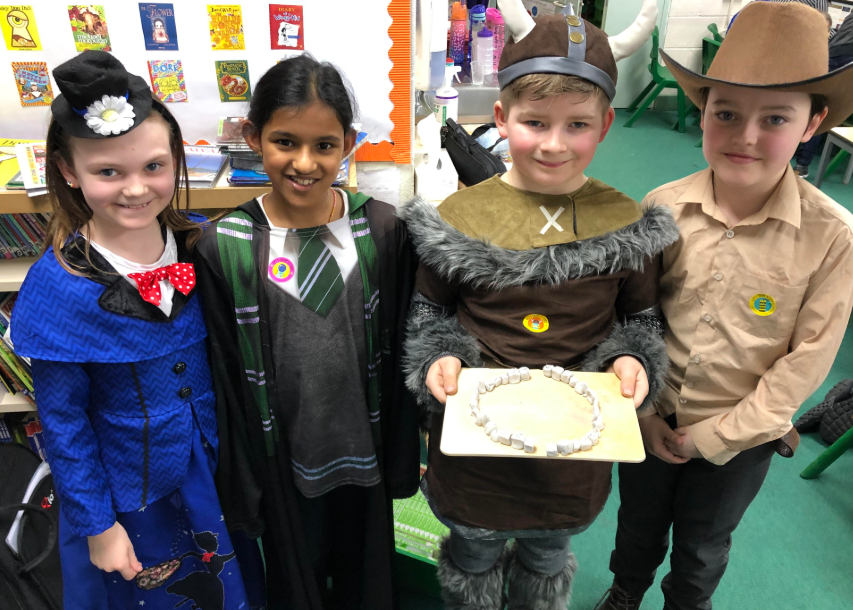


Next Tuesday we will be learning all about how to stay safe in the kitchen and learn the skills of grating, chopping and peeling. We are hoping to create some veggie masterpieces just like these…
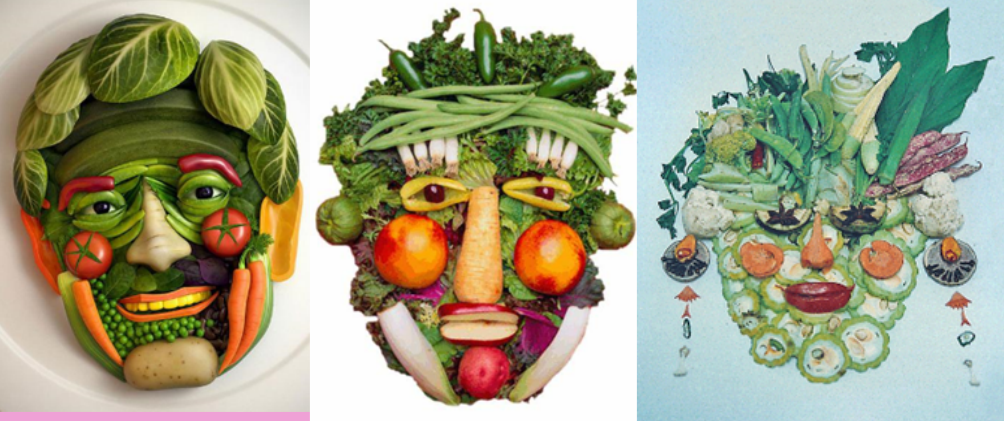
So if you have any leftover, uncooked vegetables from Sunday roast and dinners over the weekend, we would really appreciate it.
Quick reminders for the upcoming week,
Tuesday 10th March – Parent’s evening
Wednesday 11th March – Parent’s evening
Friday 13th March – Poetry of by heart competition (So if you’ve been chosen, do not forget to bring your props)
We hope you have a lovely weekend and we are looking forward to seeing you on Monday!
Miss Jackson-Nash, Miss Honeywell and Mrs Cairns
Beginning of Lent 2020
Hello,
We hope that you have all been having a good week so far and that you have been enjoying the moments of sunshine this weekend!
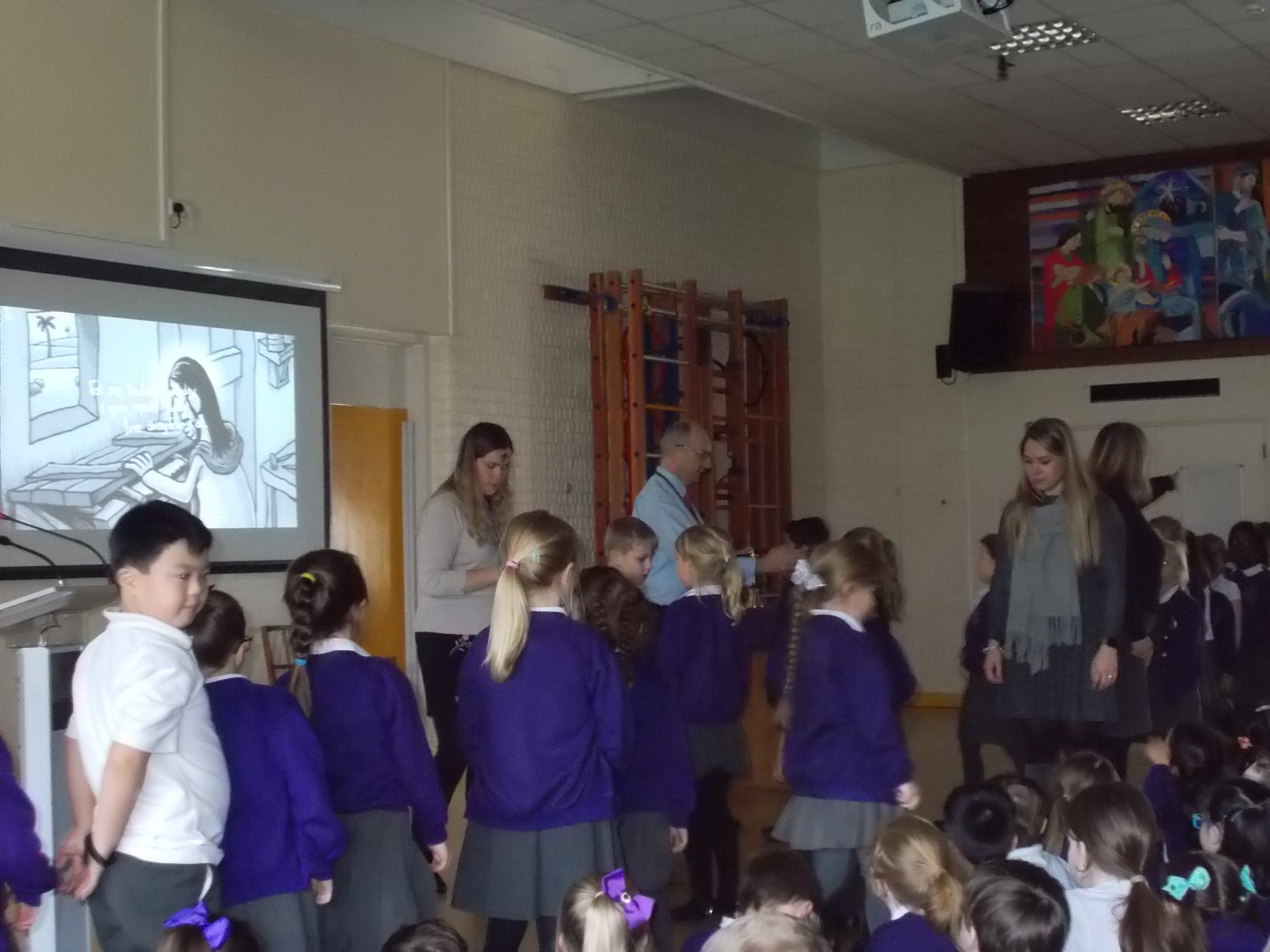
This week, the children took part in an Ash Wednesday service at St. Peter’s Catholic Primary school on Wednesday 26th February 2020. The service provided an excellent opportunity for our whole school community to join together in prayer and worship. Ashes were distributed as a symbol of God’s forgiveness of our sins, which enabled us to then embark upon our spiritual journey of 40 days and nights until the celebration of Easter. The children had behaved respectfully during this service and they were each able to make their own Lenten promises to Jesus during the calm moments of reflection across the service. Please see the photos below…
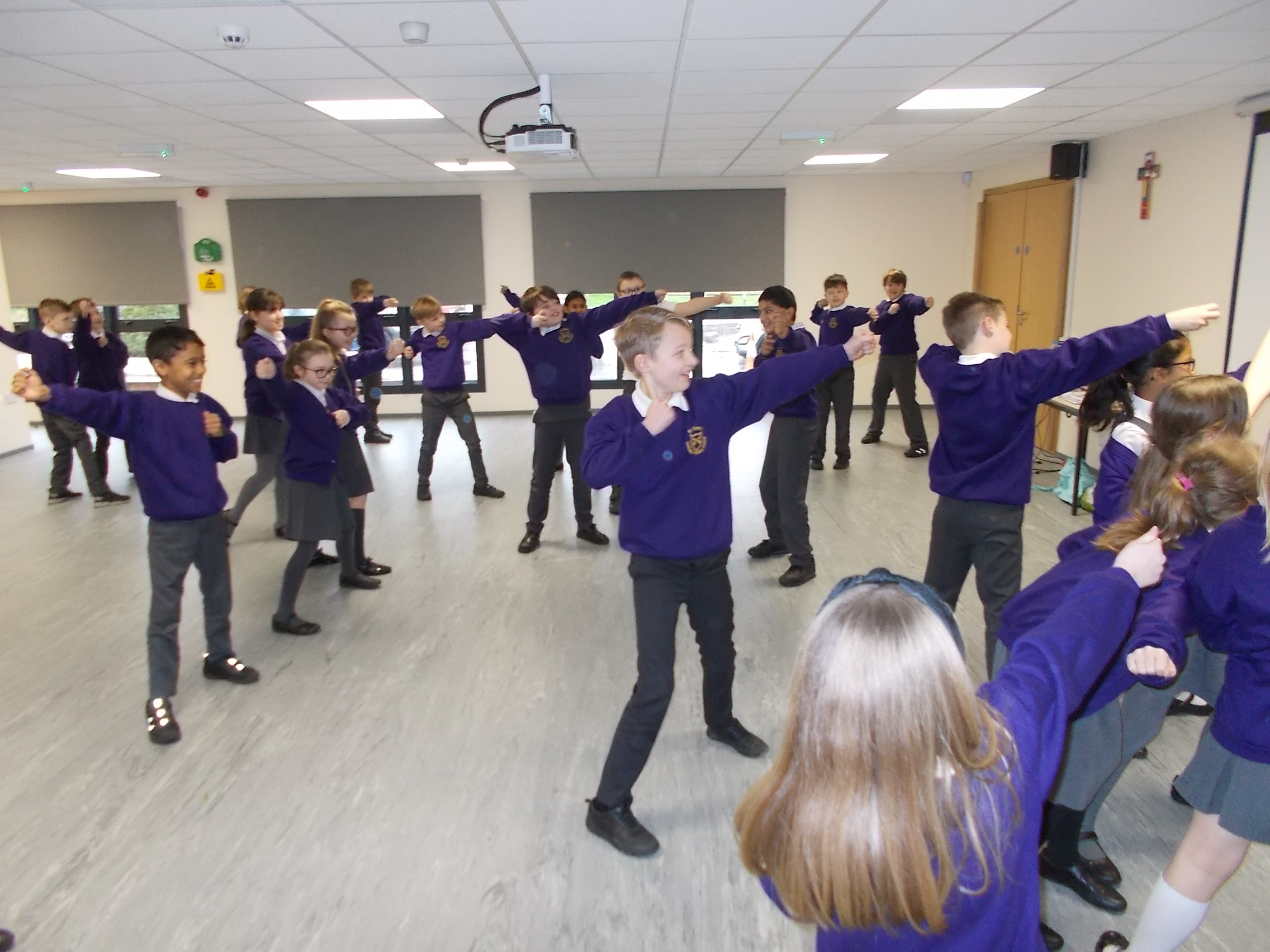
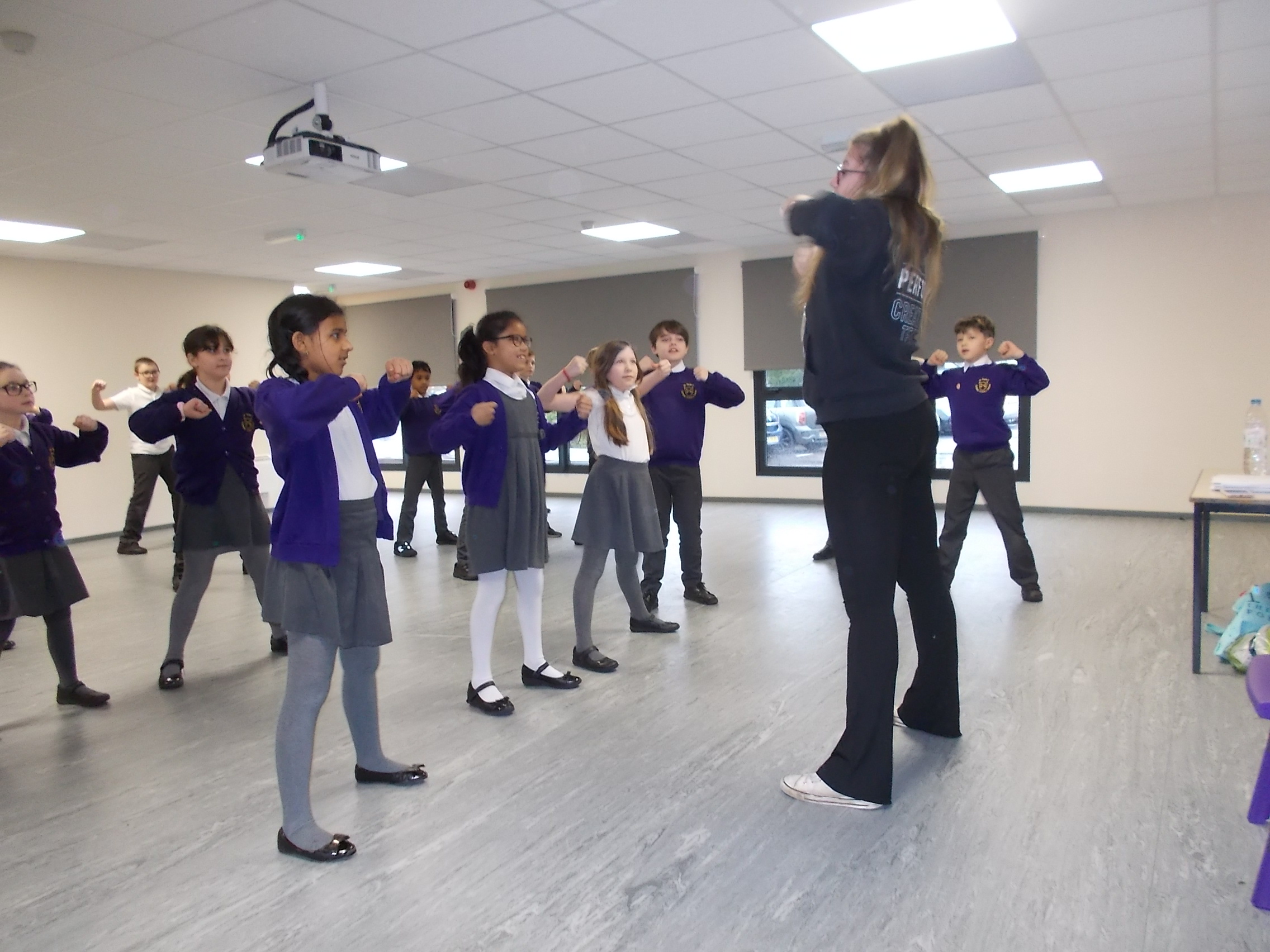
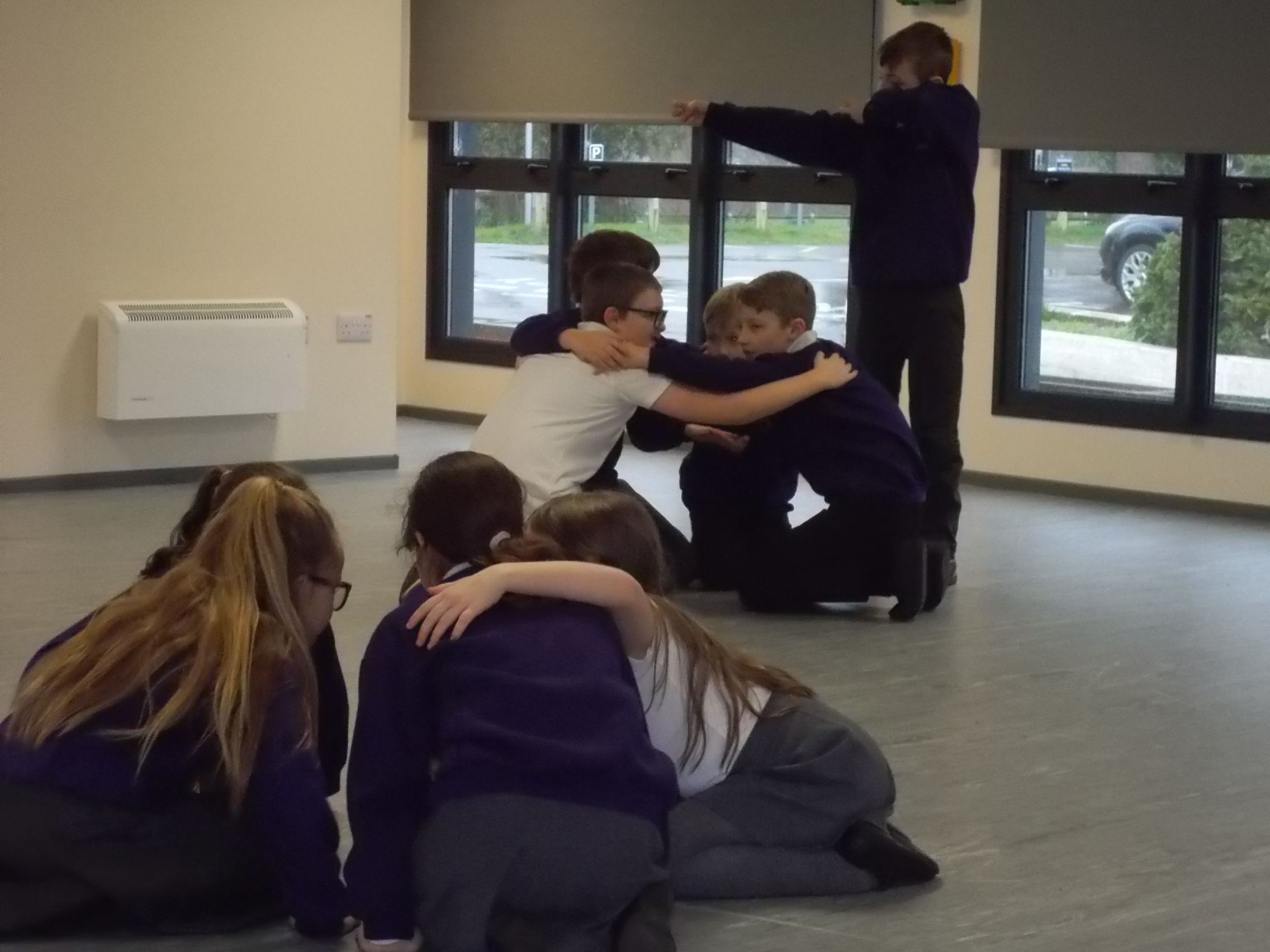
On Friday 28th February 2020, the children had an exciting visit from a children’s theatre and drama company. The Robin Hood workshop was a fun opportunity for the children to work in groups and take part in a variety of games and speaking and listening activities. In particular, Year Four enjoyed taking on the role of different characters in the story as the class created freeze frames for individual scenes. Please see photos of the workshop below…
In Maths, the children have been learning how to use a variety of different strategies to add three numbers together. Through the context of money and ‘cinema combination’ problems, both classes have been learning how to identify number bonds to 10p and 100p (or £1) across sets of numbers, using colouring pencils to ‘match’ bonds together to support the mental addition of money values in pence. Where the problem solving tasks involved the ‘carrying’ of numbers across tens or hundreds boundaries, each class then identified the ‘expanded column’ method as an appropriate strategy for solving 3-part addition sentences. As the week progressed, Year Four used metacognitive strategies such as ‘evaluate’ and ‘number talk’ to discuss the suitability of their chosen strategies for various challenge tasks that had involved the use of addition. Next week, we look forward to revisiting our learning on subtraction through the use of ‘smart jumps’ (e.g. 148 – 39 can be solved by calculating 148 – 40 + 1) and expanded column subtraction (including the use of exchanges for hundreds and tens values where necessary).
In English, the children have continued their learning on Climate Change. This week, Year Four have planned and drafted their persuasive letters to Greta – next week, we look forward to editing, publishing, then evaluating our final pieces of writing before posting them to Greta Thunberg! We have been delighted by the children’s awareness and interest towards matters such as Global Warming, the burning of Fossil Fuels, plastic waste in the sea and the rapid Deforestation of our Tropical Rainforests. As a result, our students have produced a selection of passionate and factual letters that shall no doubt encourage Greta Thunberg to continue her campaigns and encourage others around the world to take better care of the environment. We would like to say a big well done to all of the children in Year Four, for their excellent use of Climate Change key words, facts and statistics in their writing.
We look forward to seeing you all on Monday – don’t forget to complete your Spring Term Reading passports as well as your spelling, Sumdog and Times Table Rock star homeworks for this week!
With best wishes,
Miss Honeywell, Miss Jackson-Nash and Mrs Cairns.
Last week of term
Hello,
We hope that you are having a good week so far and that the children are enjoying the first day of their February half term break.
This week, Year 4 have been learning about how to use a variety of conjunctions and key facts to inform a reader. In particular, we have been learning how to use co-ordinating, subordinating and causal conjunctions – these skills have been practised through the use of debates and ‘conscience alley’, whereby the children used their climate change sentences to persuade a friend to purchase an electric car instead of a diesel super car. As the week progressed, we then considered how relative clauses could also be used to add further information e.g. statistics, percentages and other facts. We were delighted with the range of informative sentences that were created by Year 4, regarding Global Warming, Deforestation, Fossil Fuels and Plastics in the Sea. Well done everyone!
In Maths, we have been working on using a range of different strategies in order to calculate fractions of an amount. This has enabled the children to complete a variety of comparison questions (e.g. ‘Which is more and which is less, 2/3 of 36 sweets or 3/5 of 25 sweets?’) and place value tasks (e.g. ‘If I know 2/4 of 12, I can calculate 2/4 of 120 by multiplying my answer by 10, as 120 is ten times bigger than 12 and the fraction of the amount is the same’). We were very impressed by the children’s use of reasoning skills when selecting their strategies for solving, which included: bar models, trial/error, arrays, partitioning (part-part whole), number lines and even ’10 times bigger or smaller’. Both classes had demonstrated true resilience across these challenge tasks, taking care to ensure their presentation was neat and their selection of strategy was appropriate.
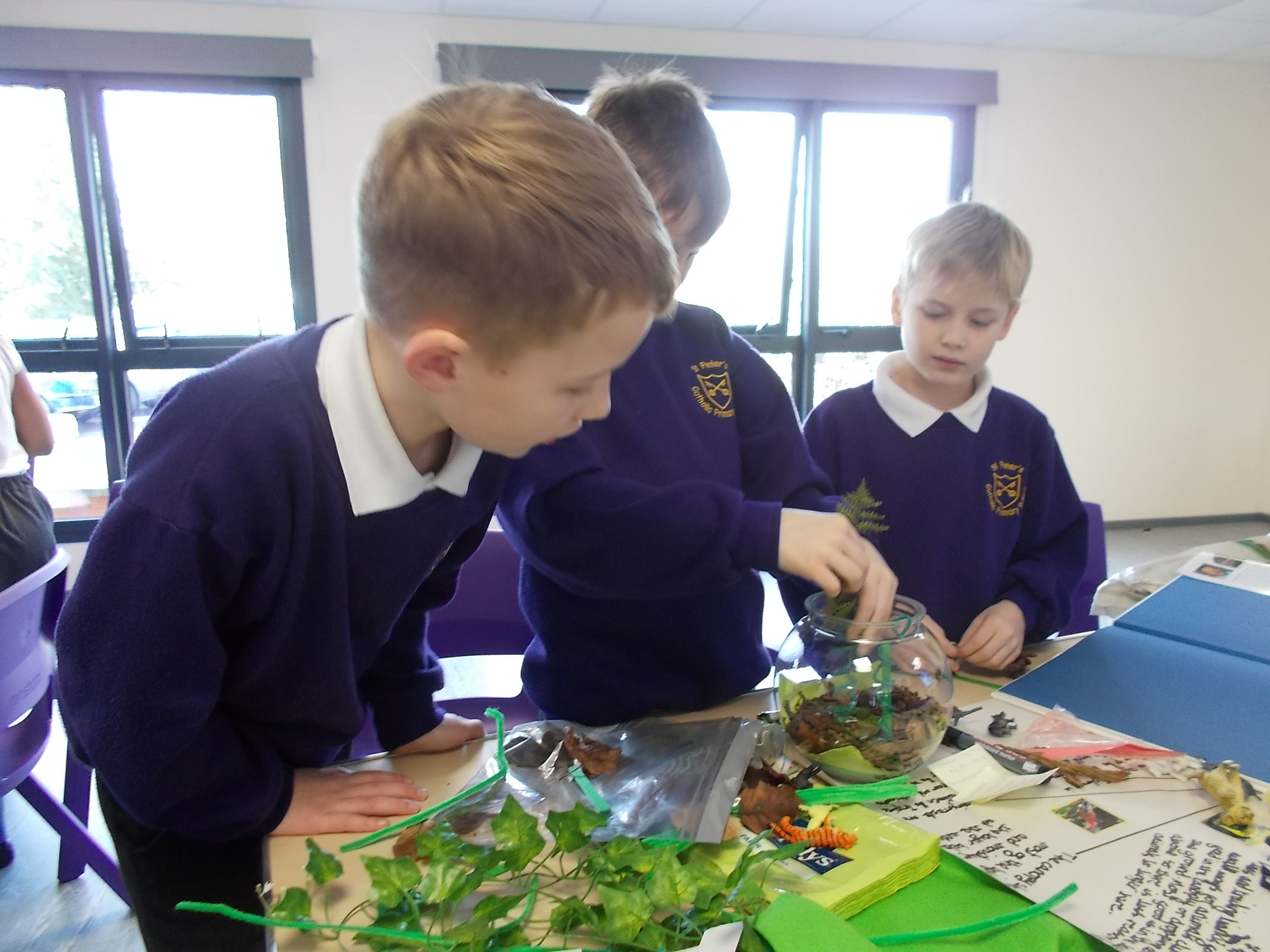
Last week, we had a fantastic time during our STEM day. Year Four worked in groups to create their very own terrarium-style animal habitat. Each team thought very carefully about how they could show a cross section of their habitat, which was carefully designed to ensure their chosen creature could survive. Please take a look at the photos of our work, below:


We hope that you all have a great break and we look forward to seeing you all after the holidays.
Best wishes,
Miss Honeywell, Miss Jackson-Nash and Mrs Cairns
February is here!
Hello everyone,
We hope you have had a fantastic week and enjoying the slightly brighter mornings!
This week, the children have been working extremely hard in Maths focusing on solving problems with increasingly harder fractions. Revisiting Fractions this term gave children the opportunity to show off all of their strategies and different ways to represent these fractions. These included bar models, numberlines, arrays and many more. Next week, we are going to continue to solve problems but with a clearer focus on word and multistep to really challenge year 4.
In English, we started a new unit with a letter from Greta Thunberg. It was amazing to see the reaction of Koalas and Kangaroos and how passionate they are about looking after the Earth and God’s creations. Throughout the next couple of weeks, the children are going to gather facts about our environments, go on a local study around the school to see the threats on habitats in order for them to write a persuasive letter to inform the world on how we can save our environment and the importance of acting now!
Tomorrow, Friday 7th is STEM day and we are all really excited to create our own Biomes. Children all week have been bringing in resources and coming up with ideas that they want to do for their micro habitats. A quick thanks for all the resources the children have brought in already, and thankyou for any future resources!
Some reminders for next week ;
Friday 7th February – Stem Day
Wednesday 12th February – Classroom Poetry Competition – Kids, get your props ready!
Thursday 13th February – Last day of half term!
Friday 14th February – Inset Day
Monday 24th February – First day back of Spring 2.
We hope you have a lovely weekend!
Miss Jackson-Nash, Miss Honeywell and Mrs Cairns