Year Four – Boomerangs
Boomerangs
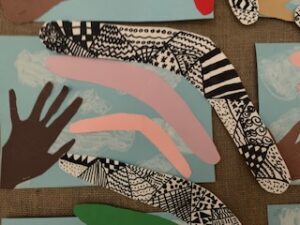
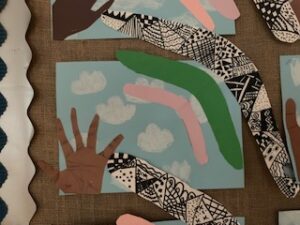
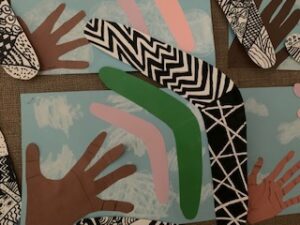
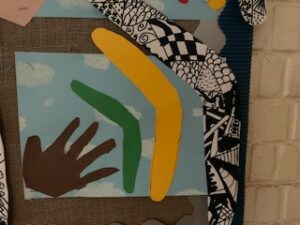
A BOOMERANG is a throwing stick that is used for hunting or for recreation. Traditionally, it was used by Indigenous people in AUSTRALIA for hunting. There are many shapes of boomerangs that are used for different purposes, the most famous being the angled returning boomerang that goes out and then circles back to the thrower.
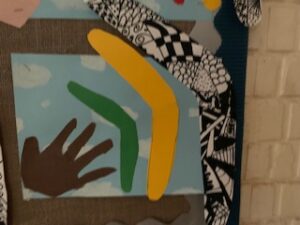
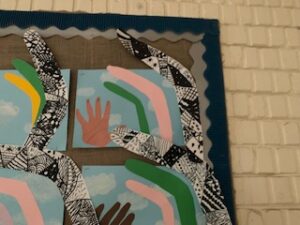
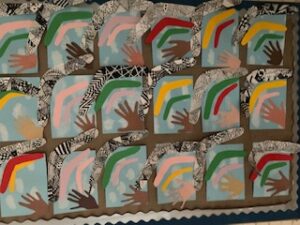
Sometimes boomerangs are decorated with
colours, shapes and images of animals.
The children created these stunning pictures that really capture the throwing of a boomerang.
Year Three – Sydney Harbour
ABOUT SYDNEY HARBOUR
The SYDNEY HARBOUR BRIDGE is nicknamed “the coat hanger” because of the shape of its design. It carries road, rail and pedestrian traffic from Sydney’s business district to the North Shore. Since 1998, tourists have been able to climb to the top of the bridge. It takes almost four hours to climb up and down. It is one of the tallest bridges in the world, with a height of 130 yards from water level to the top.
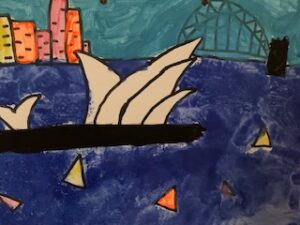
The SYDNEY OPERA HOUSE is a performing arts centre. The shape of the building is based on the sails of a boat. In addition to concerts and events, around 2000 opera performances take place there each year.
Ken Done
KEN DONE is an Australian artist who is well known for his bold use of colour and his paintings of well known Australian landmarks such as the Opera House and the Great Barrier Reef.
Since his first solo exhibition in 1980, Ken Done has become one of Australia’s most famous artists. His work has been described as the most original style to come out of Australia, and his paintings are in collections throughout the world. Since his first solo exhibition in 1980, Ken Done has become one of Australia’s most famous artists. His work has been described as the most original style to come out of Australia, and his paintings are in collections throughout the world.
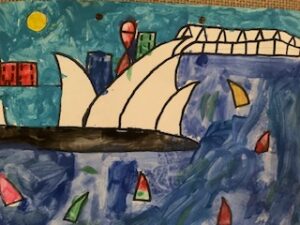
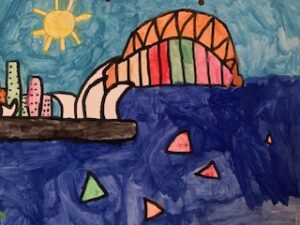
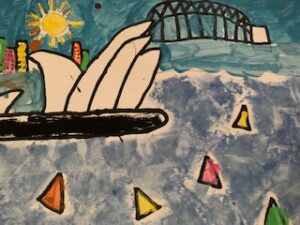
The children created their own pictures of Sydney Harbour, based on the style of Ken Done.
Year Two – sharks and volcanoes
ABOUT GREAT WHITE SHARKS
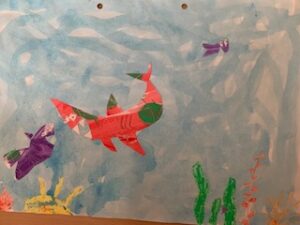
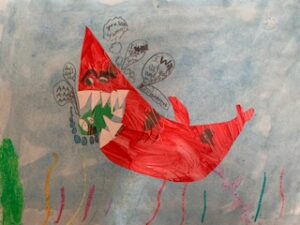
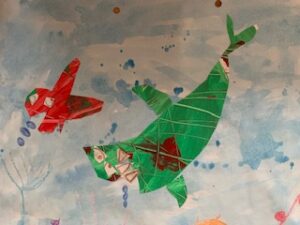
Out of 400 species of sharks in the world, around 170 can be found just in the waters off Australia. One of these species is the GREAT WHITE SHARK. Great white sharks are known for their large size. They can actually be found in the coastal waters of all major oceans and can live as long as 70 years. They eat a variety of fish and other marine animals and birds. Did you know that they have rows of teeth behind their main ones to replace any that might break off? While they may seem scary, their species has actually faced many challenges and is protected in Australia among other places.
The children used a range of painting techniques to create their ‘watery’ shark scene.
ABOUT VOLCANOS IN HAWAII
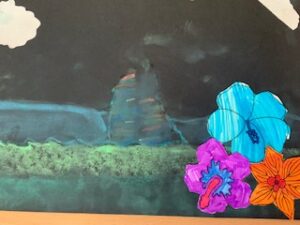
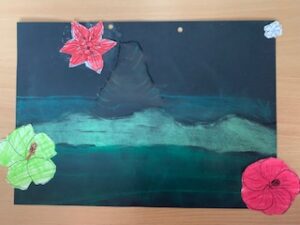
The islands of HAWAII were formed by volcanoes erupting in the ocean. The eruptions cooled and formed the land. Most Hawaiian volcanoes are now inactive, though there are still three active volcanoes on the islands which are constantly being watched to make sure the people of Hawaii stay safe.
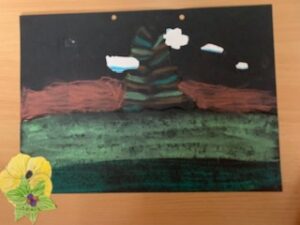
The children created their volcanic scene using chalk and oil pastels. They finished by decorating their picture with brightly coloured Hawaiian flowers.
Year One Koalas
ABOUT KOALAS
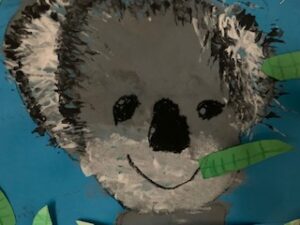
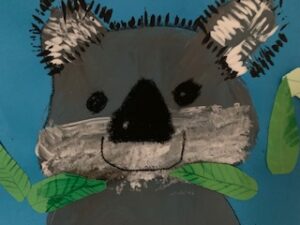
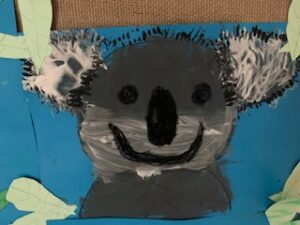
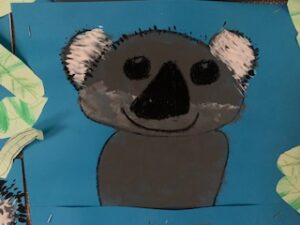
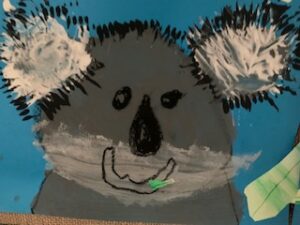
KOALAS are native to Australia and despite often being called koala bears, they are not bears at all. They are actually marsupials and are more closely related to wombats. Koalas exclusively eat eucalyptus leaves, which are poisonous to most animals, but not koalas. They are best known for spending up to eighteen hours a day sleeping in eucalyptus trees. Because eucalyptus leaves are so low in nutrients, koalas need to sleep a lot to conserve energy.
The children created their own Koalas, even dipping a fork into the paint to make the fur texture. They all look amazing and it is hard to choose a favourite!
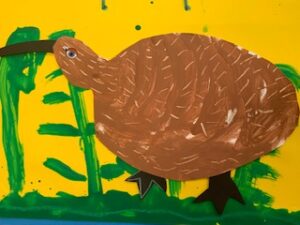
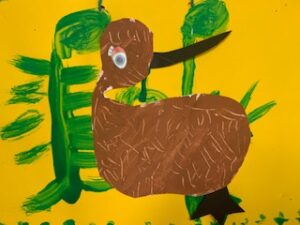
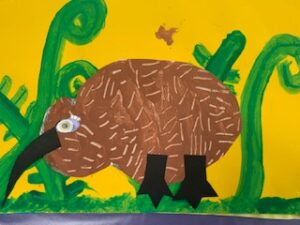
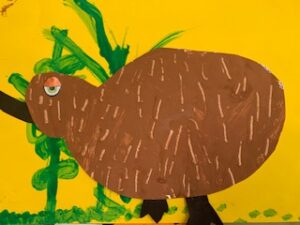
Reception – Kiwis
ABOUT KIWIS
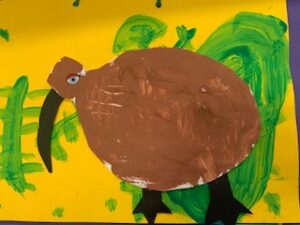
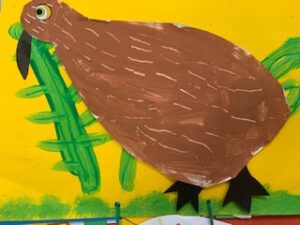
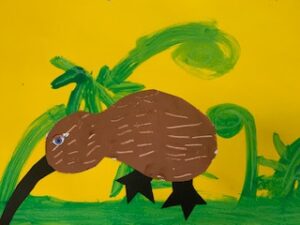
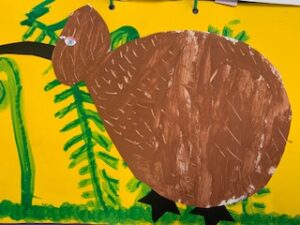
KIWIS are birds that are only found in NEW ZEALAND. They are a national icon, so much so that someone from New Zealand is called a “kiwi.” These brown, chicken-sized birds cannot fly, but instead use their strong, short legs to get around. The kiwi has a long beak with nostrils at the end so it can find its food by smell, which is mainly worms, grub, seeds and bugs. Something unique about the kiwi is that the females lay very large eggs for their size. A kiwi egg is about 6 times the size of a chicken egg!
Oceania
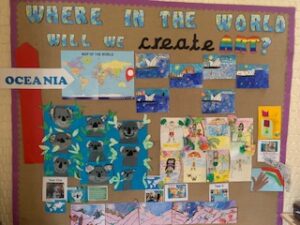
The next stop on our Global Art Passport is Oceania! During the summer term the children will emerse themselves in the art from this region of the world.
Pallant House – School in Residence
Twelve children were chosen to be ‘artists in residence’, at Pallant House in Chichester….this is their adventure….
Access to the Studio
Pallant House has their art studio which is reserved for our school for the duration of our visit.
Access to the Gallery
The children have been given an official School in Residence lanyards that grants them access to all the gallery spaces. Using a sketchbook and pencils they can observe, record and experiment as much as they like.
A chance to celebrate
There is an exhibition of the children’s artwork from 30th July until 7th August. This will be an opportunity for the children to share their art with family, friends and the wider community.
Week 1
Creating a sculpture in the style of Barbara Hepworth.
Barbara Hepworth was a famous artist who made her sculptures inspired by the natural world. She made lots of sculptures which have a hole in the middle, so you can see the inside and outside of the sculpture, and to let the light through.
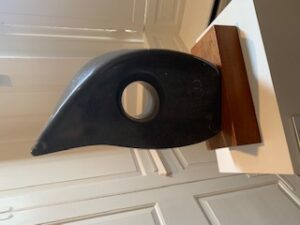
The children looked and discussed the sculpture. Then the turned around and drew the sculpture from memory.
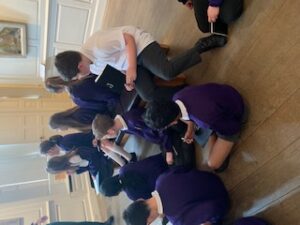
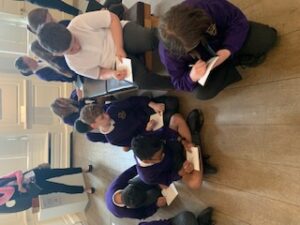
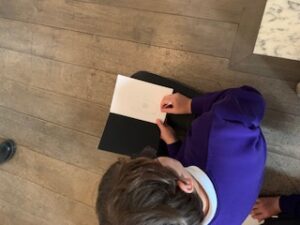
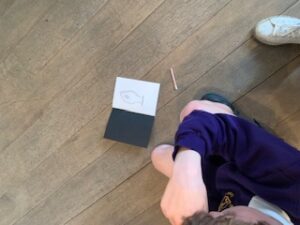
After that, they looked at the sculpture and did an observational drwing. They looked at both drawings and discussed them…which one looked most accurate? Which did the prefer drawing and why?
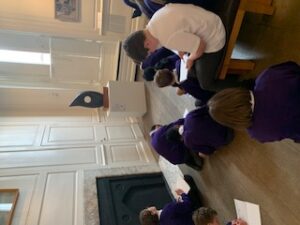
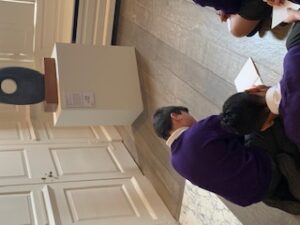
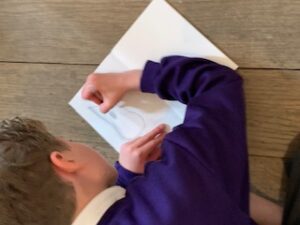
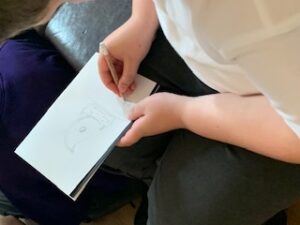
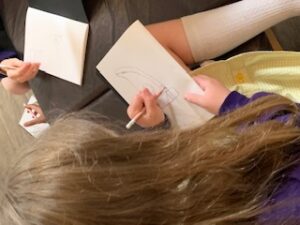
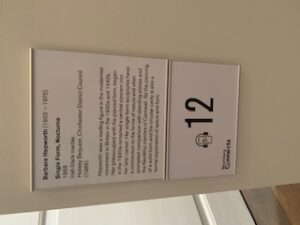
Back in the art studio the children looked at stones with holes in them and then did a drawing of a sculpture inspired by Barbara Hepworth.
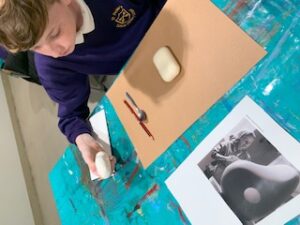
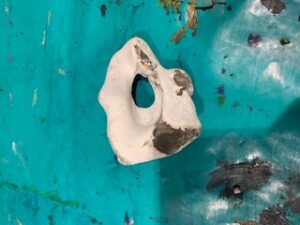
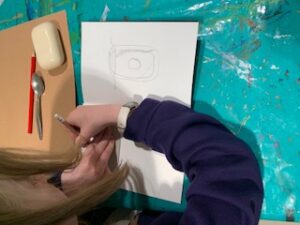
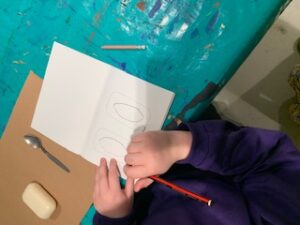
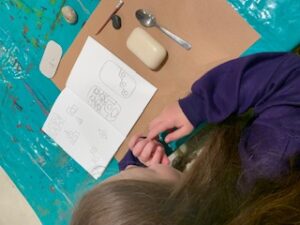
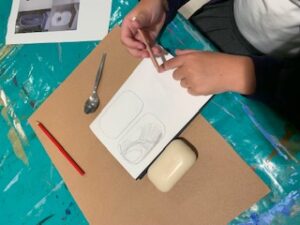
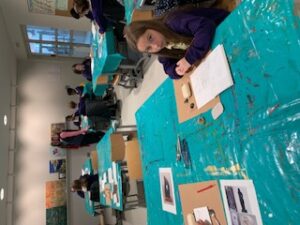
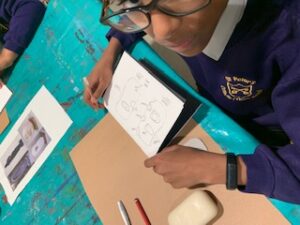
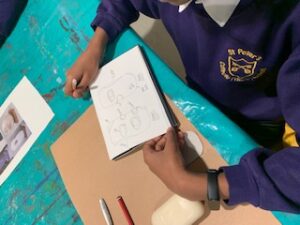
Then came the fun, and nerve racking part! The children each had a bar of soap and they had to carve their sculpture, using a variety of tools, including clay tools and even teaspoons!
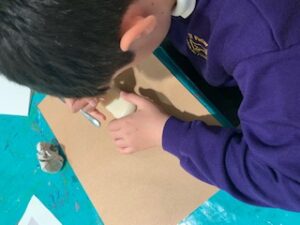
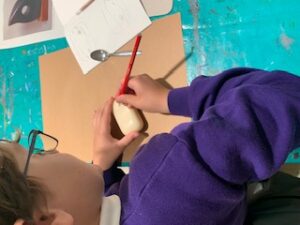
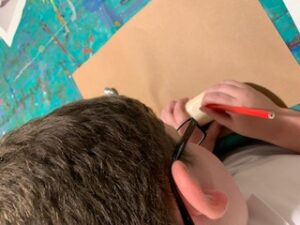
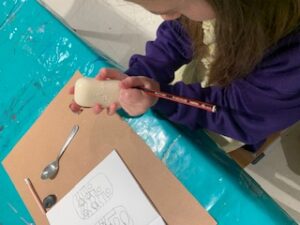
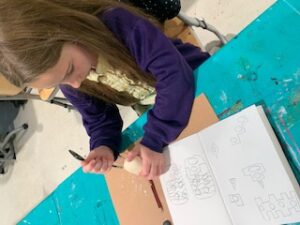
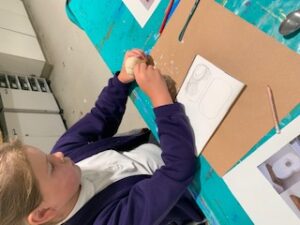
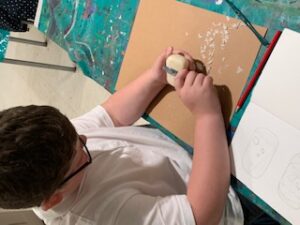
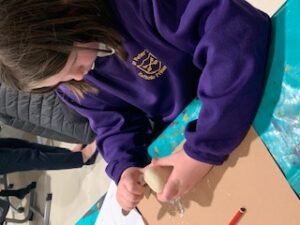
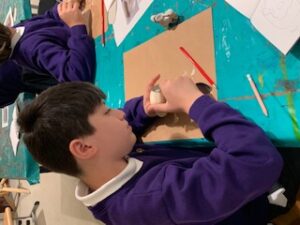
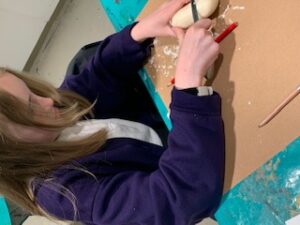
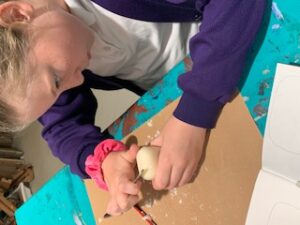
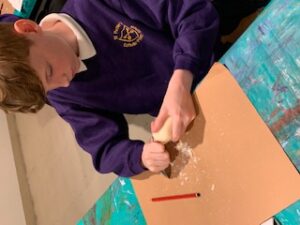
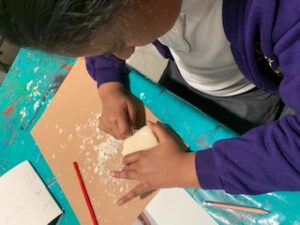
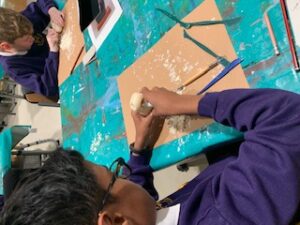
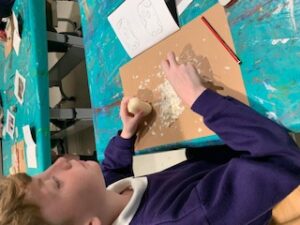
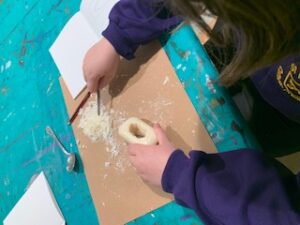
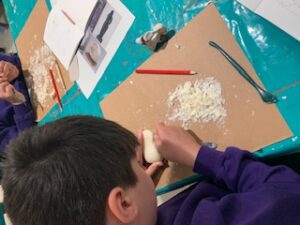
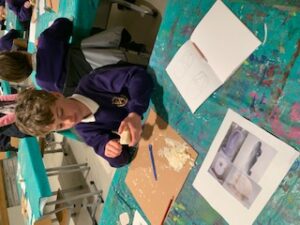
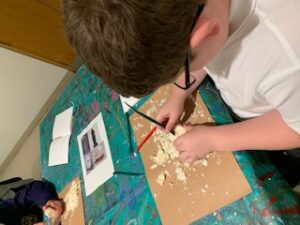
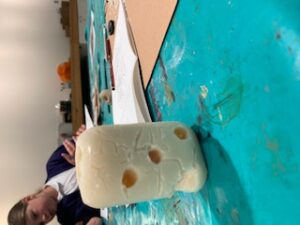
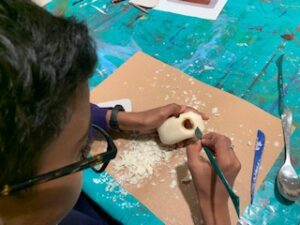
We celebrated our work at the end of the session, discussing what we liked about each sculpture and talking abouth the chgallenges we came up against and how we over came them.
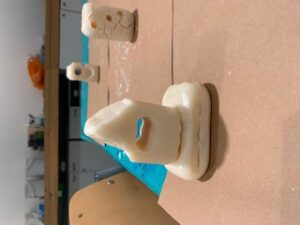
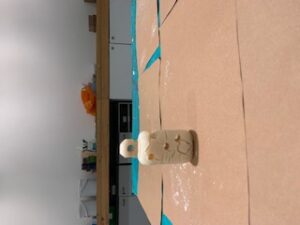
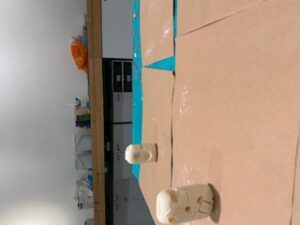
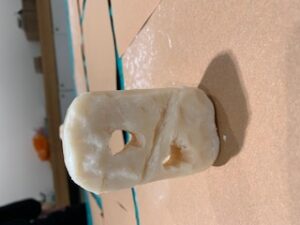
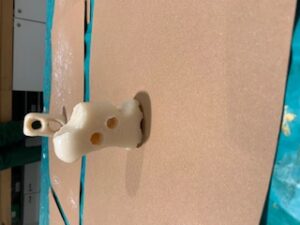
What a fantastic first session… we can’t wait for next week!
Weeks 2-5
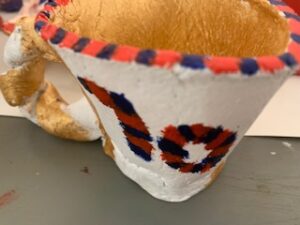
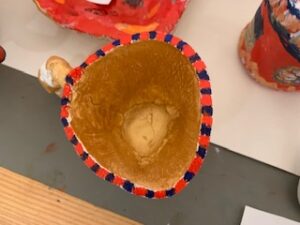
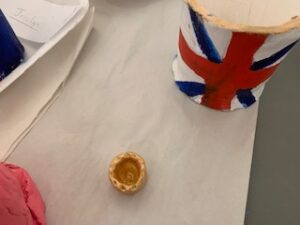
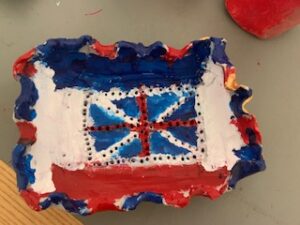
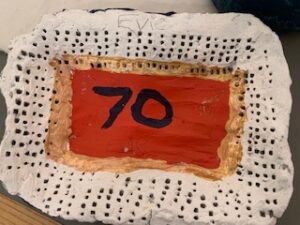
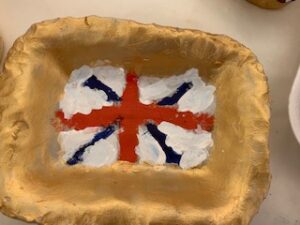
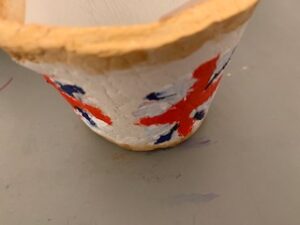
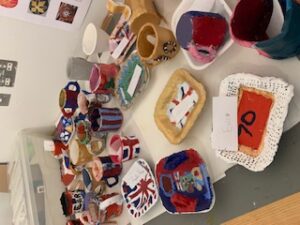
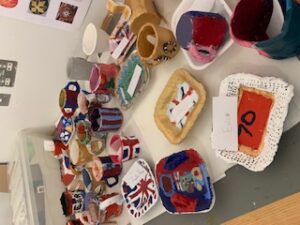
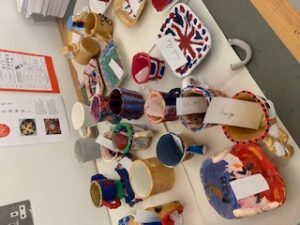
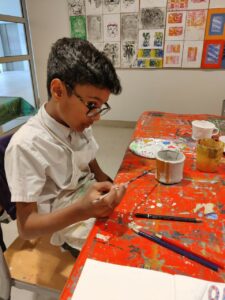
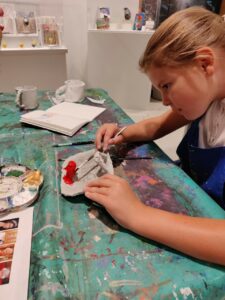
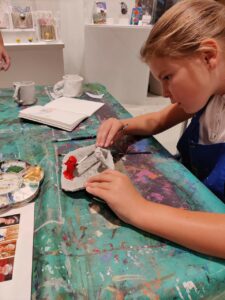
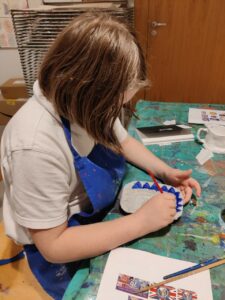
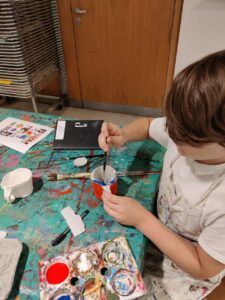
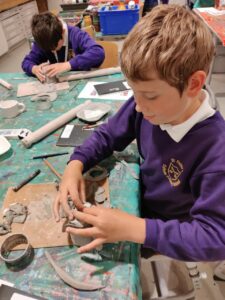
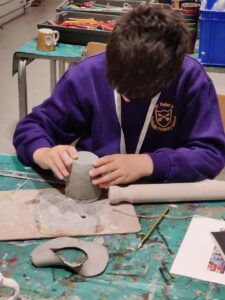
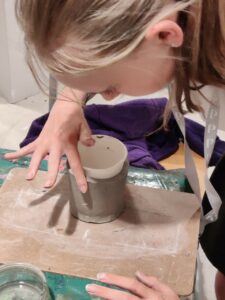
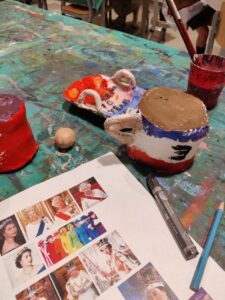
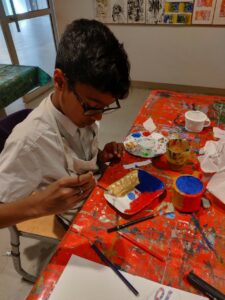
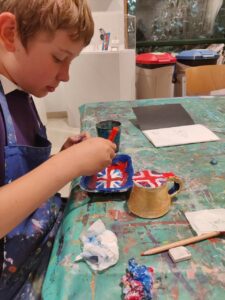
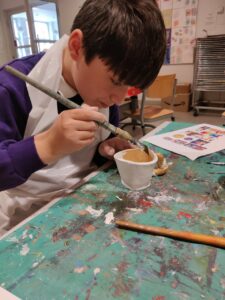
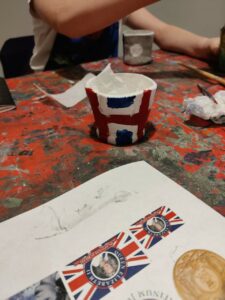
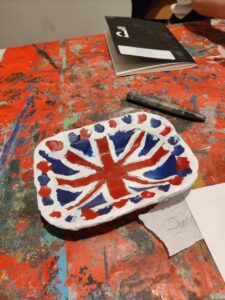
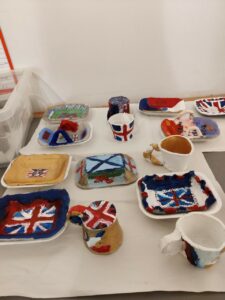
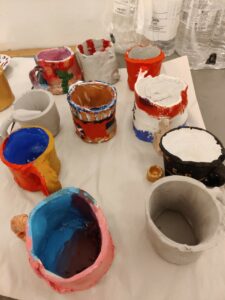
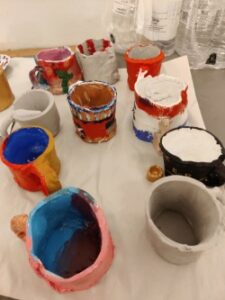
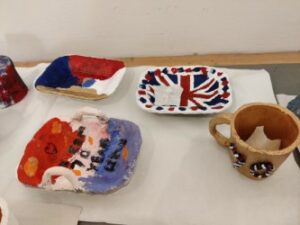
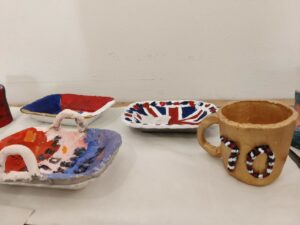
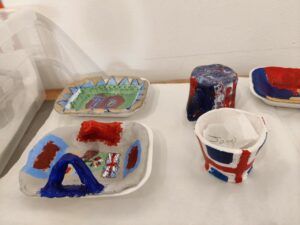
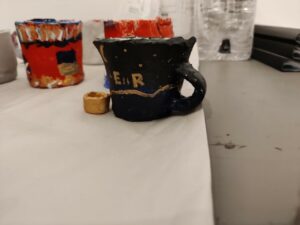
The children created Jubilee commemorative pottery, using clay. They drew their designs first and then made them from clay, using templates. Once the clay had dried they used acrylics to paint them.
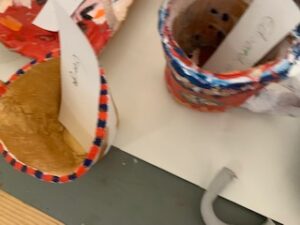
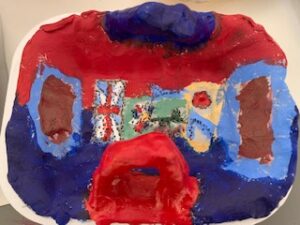
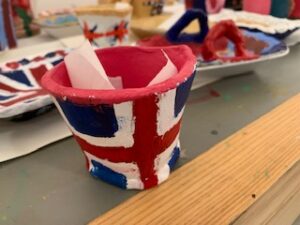
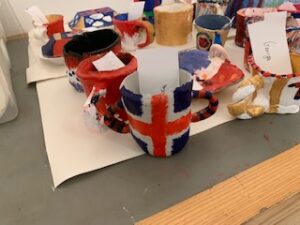
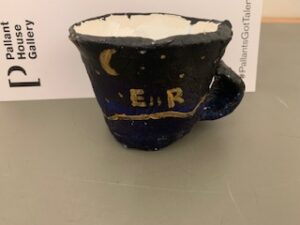
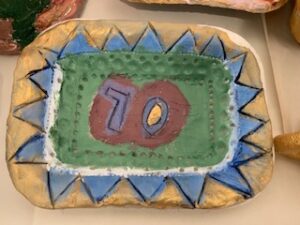
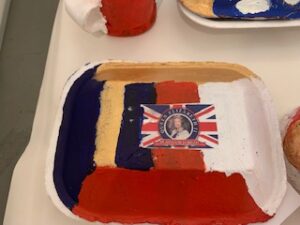
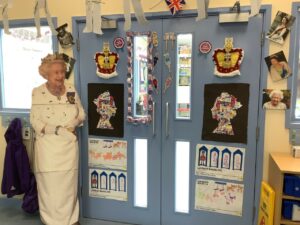
The ‘Queen’ visits St Peter’s to look at the Platinum Jubilee doors!
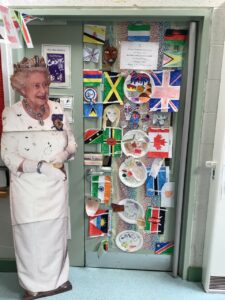
What a wonderful atmosphere there was around the school as all the staff and children embraced the Jubilee celebrations, by decorating their doors. Thank you to everyone for all their hard work and creative flair that went in to making their doors ‘fit for a Queen’! Our Chair of Governors, Mrs Liz Holford, had the unenviable task of judging the doors and awarding rosettes to the winners, the runners-up and those highly commended. Have a look at the doors below…do you think she got it right, or do you have your own favourite?
Reception….. HIGHLY COMMENDED
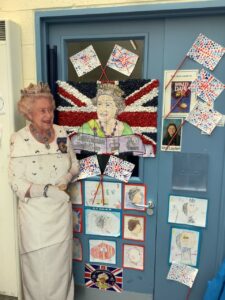
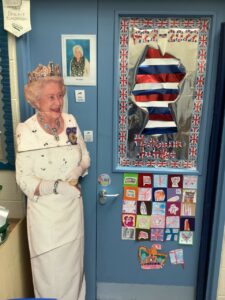
Year One
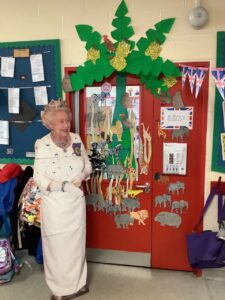
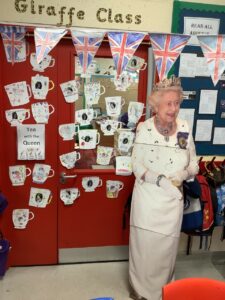
Year 2 ….HIGHLY COMMENDED
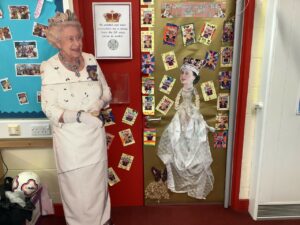
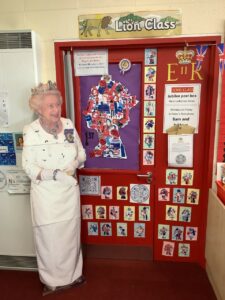
Year 3….WINNERS!
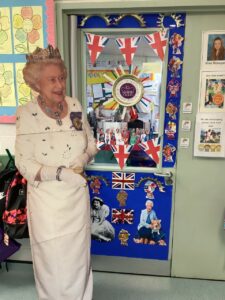
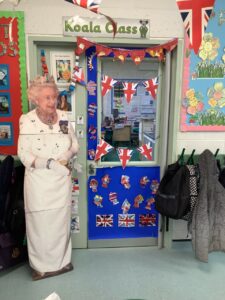
Year 4
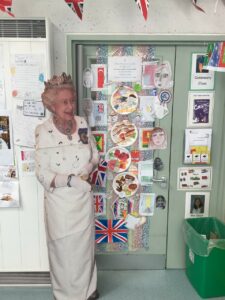
Year 5……RUNNERS-UP
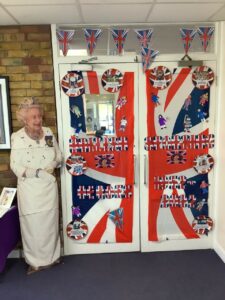
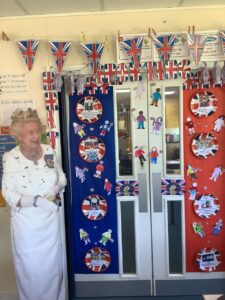
Year 6
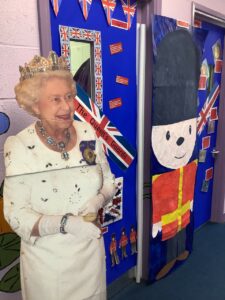
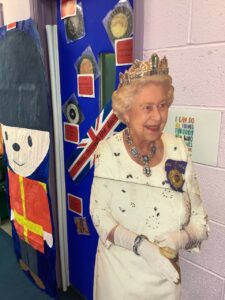
Pumpkin Room and music room
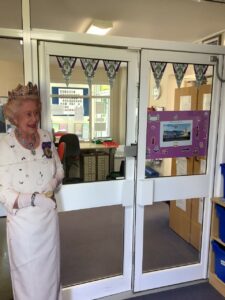
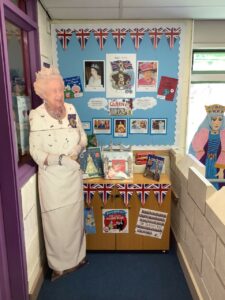
The school Office The library
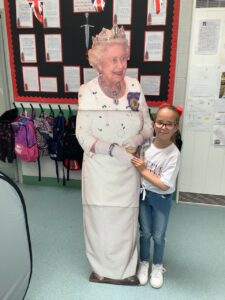
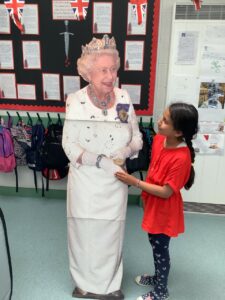
The Queen then went on her traditional walk about….
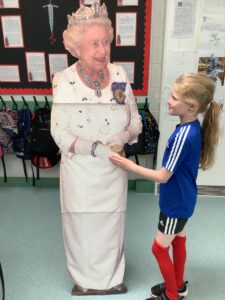
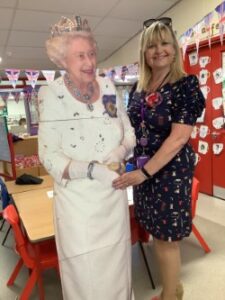
meeting some of the children and staff….
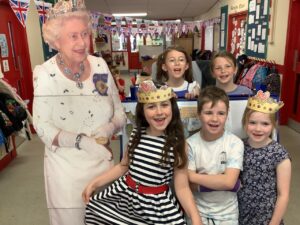
Her Majesty enjoyed watching the children play a game of pin the tail on the CORGI…
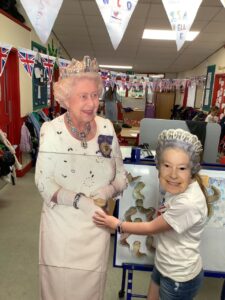
Finally, she met one of her biggest fans, who had dressed as the Queen herself. It was a bit confusing as to who should courtsey to who!! All in all her Majesty enjoyed her afternoon at St Peter’s.
Celebrating diversity and art
The pupils at St Peter’s have been immersed in multi-cultural learning through our annual Diversity Week. Children of different ages throughout the school have done deep learning on Judaism, Hinduism, Islam and Sikhism. During the week the children produced a variety of artwork, linked to these faiths.
Reception SIKHISM
Sikhs believe in one God who guides and protects them. They believe everyone is equal before God. Sikhs believe that your actions are important and you should lead a good life. They believe the way to do this is:
Keep God in your heart and mind at all times
Live honestly and work hard
Treat everyone equally
Be generous to those less fortunate than you
Serve others
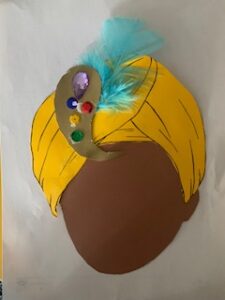
The children focused on the ‘KALGI’, which is a turban jewel that used to be sign of Royalty. Nowadays a KALGI is worn at wedding and other special occasions.




Year 1 – ISLAM
Prayer mats are important in Muslim prayer as they keep the worshiper comfy and clean and can show you where Mecca is if it has a compass.
The children learnt that Muslims take off their shoes before worshipping and respectfully re-enacted a call to prayer


Year 2 HINDUISM


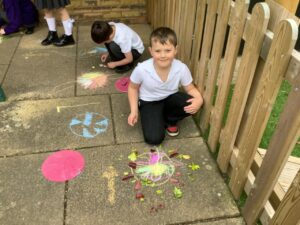
Year 3 JUDAISM
Year 4 – Islam


Year 6 Europe……Eastern European Eggs & Holland’s Canal Houses
EASTERN EUROPEAN EGGS
ABOUT EGG DECORATING
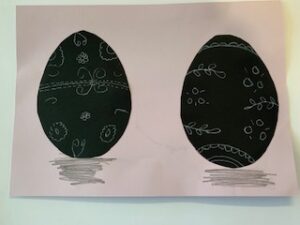
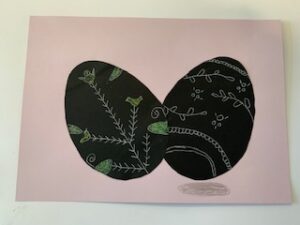
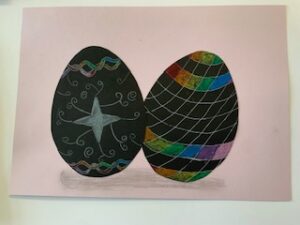
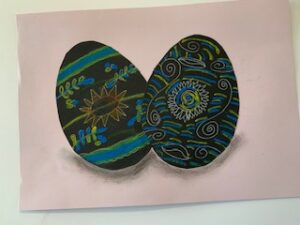
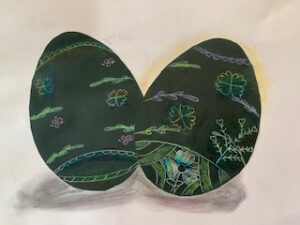
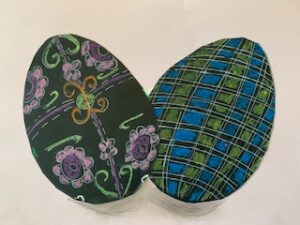
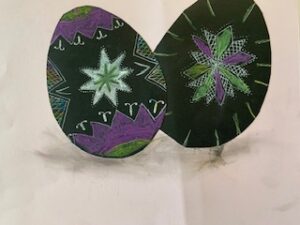
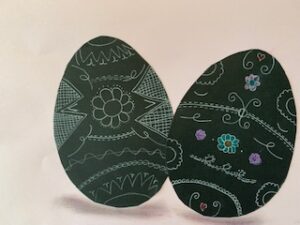
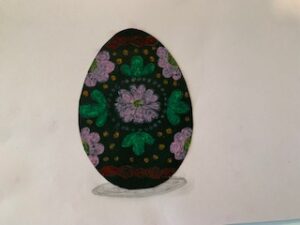
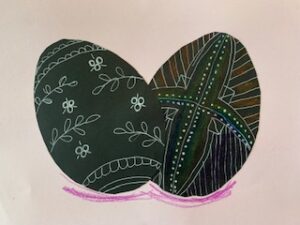
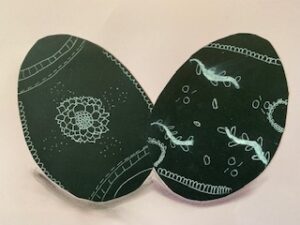
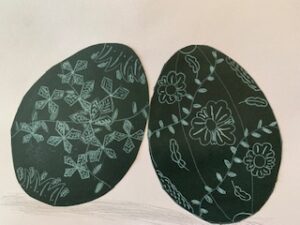
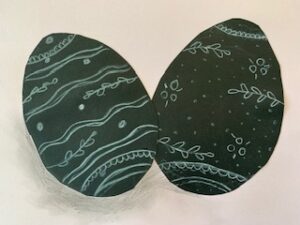
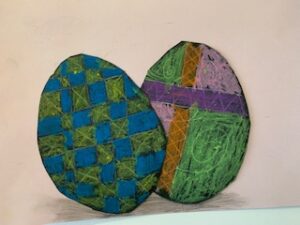
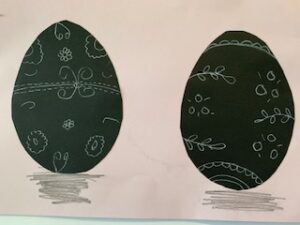
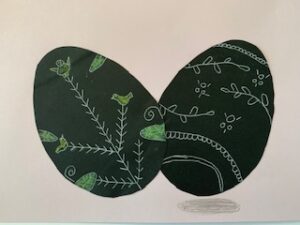
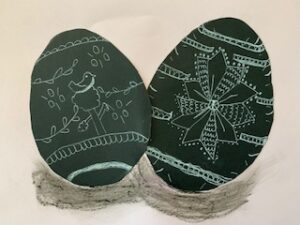
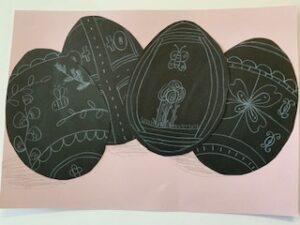
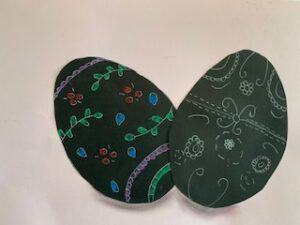
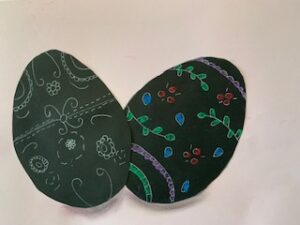
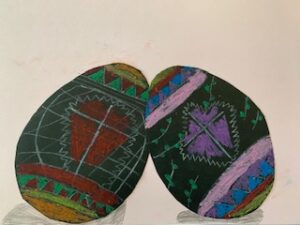
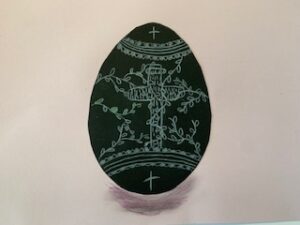
Many cultures through the ages have DECORATED EGGS. Notably, it is a very popular modern tradition in the Slavic countries found in EASTERN EUROPE. These intricately detailed and colourful eggs are typically created through wax resist and dye baths. They are created and shared around the Easter holiday. The children created their decorated eggs using black card and oil pastels and crayons. As you can see, they gave their lines a slight curve to shown IMPLIED FORM and created shadows to give the impression of 3D.
The results are simply breath-taking….WOW!
CANAL HOMES
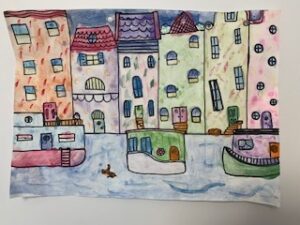
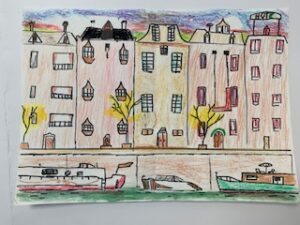
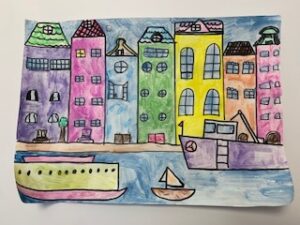
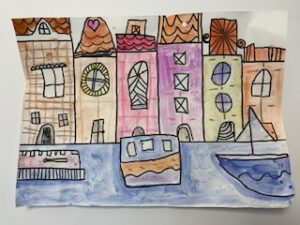
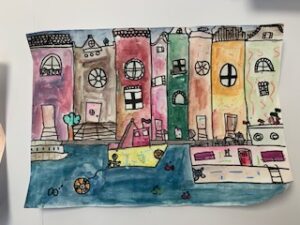
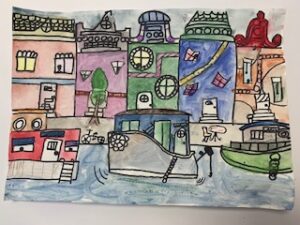
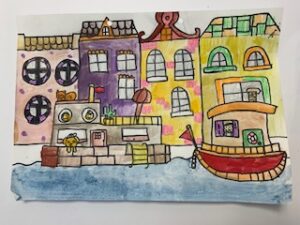
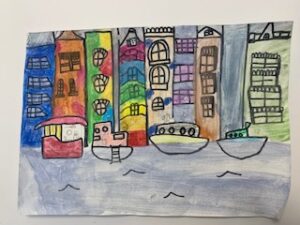
The CANAL HOMES in HOLLAND are typically skinny, high and deep buildings that overlook a canal. The buildings typically serve multiple purposes: as homes, businesses and even storage units. Because of their proximity to the water, there is an increased risk of flooding, so the front door is not typically on the ground floor, but seven to nine steps above the street level. Canal houses traditionally featured a pulley system that was used to hoist up valuable goods to the attic so they wouldn’t be damaged by water.
The children created these stunning canal house pictures using Sharpies and watercolours…I think these are absoloutely amazing and really capture the essence of a busy canal city. Well done Year 6!