




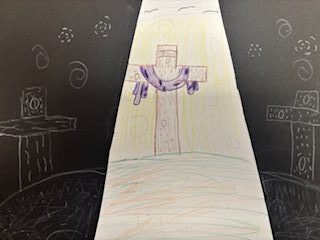
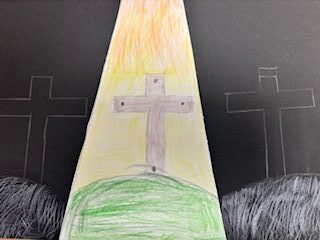

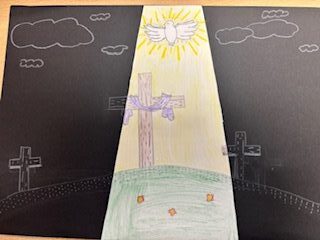

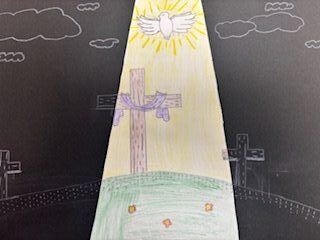
Spring into ART this term
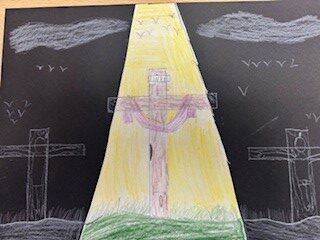
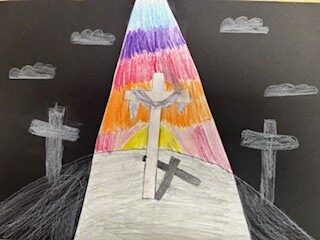
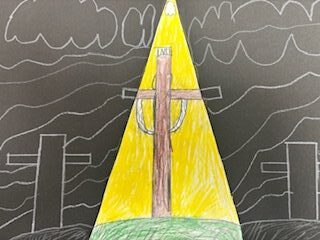
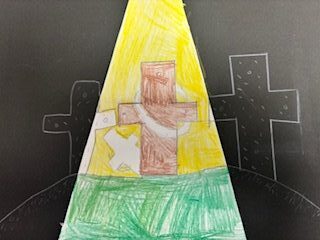
We have been creating lots of exciting art this term at St Peter’s. Here are some example of the children’s creativity.
Reception
Year One
Our Year 1 pupils have been exploring the wonderful world of animals through a creative art unit called Animal Magic. Throughout this exciting project, the children learned how artists use shape, line, colour, pattern and space to create lively and imaginative animal artwork.
The children began the unit by learning how artists use simple shapes to draw animals. By carefully following a step-by-step drawing process, pupils created colourful toucans, using crayons to add bold colours and details.


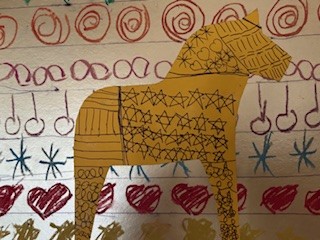
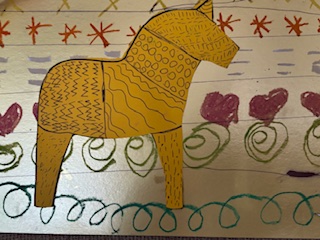
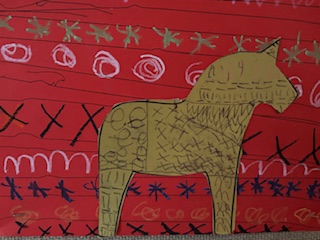
Next, they explored how artists use line and repetition to create patterns. The children drew Horses to celebrate Chinese New Year, with 2026 being the year of the horse, and decorated their red yellow and gold backgrounds using repeating lines and shapes. Using ballpoint pens allowed them to practise careful drawing and develop confidence in their mark-making.





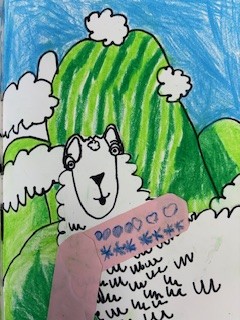
One of the highlights of the unit was creating a fun photobombing llama. First, the pupils drew the mountains of Machu Picchu, using oil pastels to blend light and dark greens and give the mountains a 3D effect. As you can see from the llamas below, the children all did a fantastic job!




Year Two
Our Year 2 pupils have our vibrant and creative art unit called “Seascapes Around the World.” Throughout this project, the children explored different coastlines and famous harbours while developing their artistic skills using a variety of materials and techniques.
The children began by creating beautiful Caribbean beach sunsets. They looked closely at photographs of tropical beaches and discussed the colours they could see in the sky and sea. Using watercolour paints, pupils experimented with blending colours to create soft sunsets and shimmering seas. They practised controlling the amount of water on their brush and learned how artists use gentle brush strokes to create smooth washes of colour. During this activity the children also explored line, using different types of lines to represent the horizon, waves and movement in the sea.
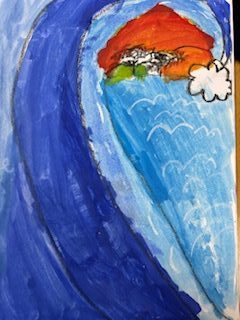


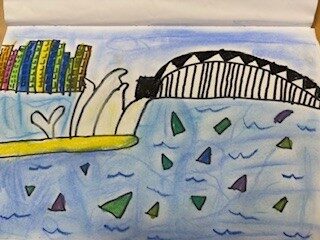
The class also learned about the colourful work of Ken Done, who is famous for his bold paintings of Sydney Harbour Bridge and the Sydney Opera House.
Inspired by his vibrant style, the children created their own harbour scenes using Sharpie pens and oil and chalk pastels. They explored the idea of contrast, using bright colours next to each other to make parts of their artwork stand out.




Year Three
Paddington in Peru
Our Year 3 pupils are enjoying this art unit inspired by the adventures of Paddington Bear, exploring the theme “Paddington in Peru.” This project combines art, storytelling and geography as pupils discovered the culture and landscapes of Peru while developing their artistic skills.
We began by exploring the work of R. W. Alley, one of the illustrators of the Paddington books. The children practised sketching Paddington in their sketchbooks, focusing on:
- simple shapes
- facial expressions
- details such as his famous hat and coat.
This helped them understand how illustrators build characters through drawing.


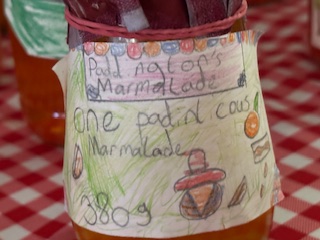
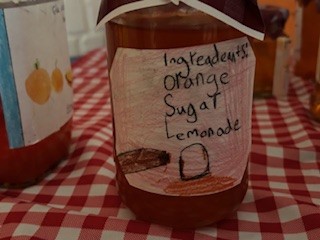
Paddington is famous for his love of marmalade sandwiches, so the children looked carefully at the features of real jam and marmalade jar labels. Each pupil designed their own marmalade label, thinking carefully about the colours and images they wanted to include. Their final labels were bright, creative and full of personality!


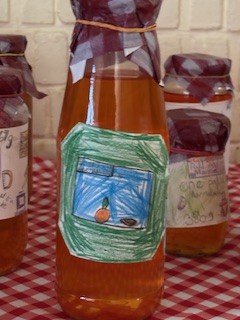
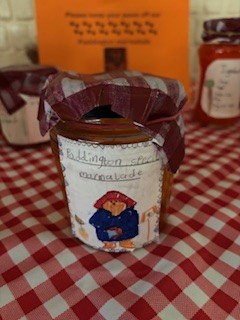
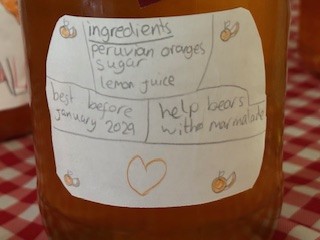
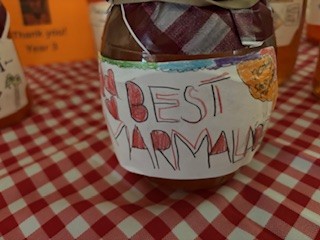
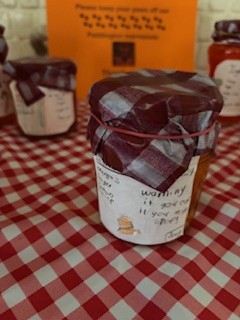

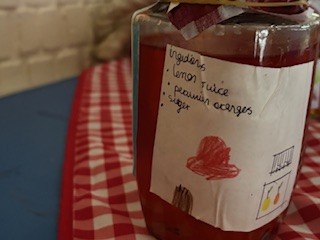





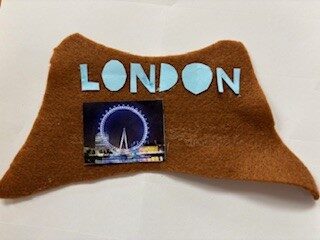
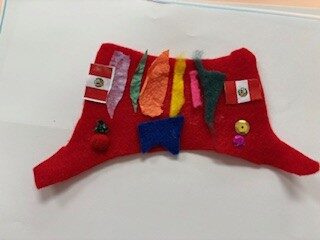
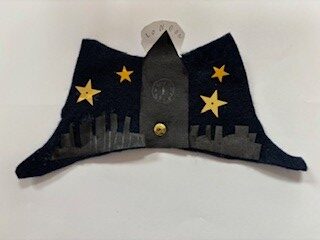
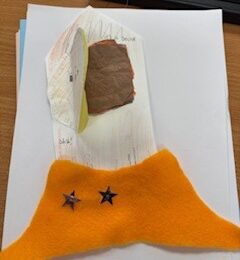
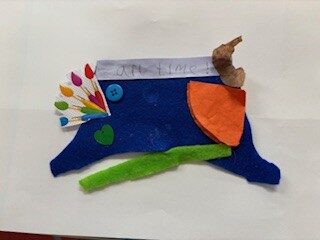
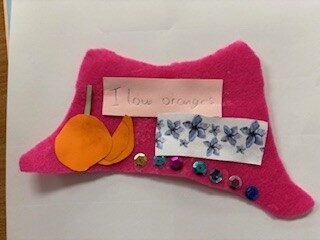
We then designed a new hat for Paddington. We chose the occasion, such as a wedding, a tourist on holiday or a football match. As you can see the children all produced unique, new designs for Paddington – who I’m sure will love them!






Year Four
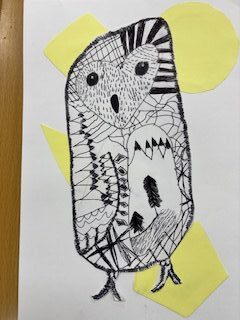
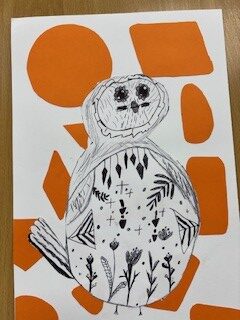
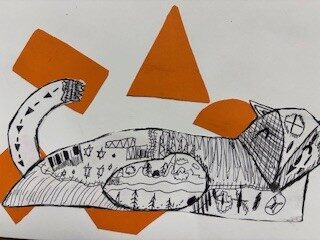
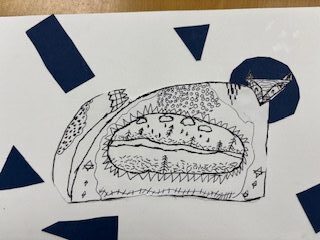
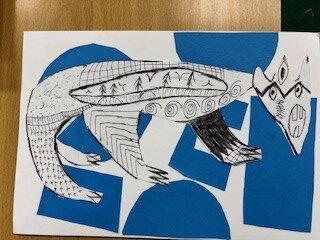
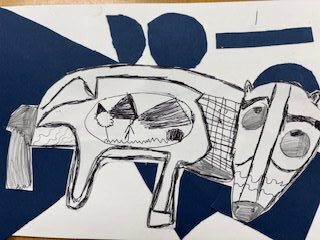
Our Year 4 pupils are exploring the beauty of nature through their exciting art unit “Wondrous Woodland.” During this project, the children study woodland animals and discover how artists use pattern, line, shape and colour to create striking artwork. The class began by looking at the work of David Hales, whose bold illustrations often feature animals filled with intricate patterns. Pupils discovered that he originally worked as a tattoo artist before becoming a well-known illustrator. The children discussed how artists use emphasis to draw attention to a focal point in a piece of artwork. They noticed how patterns, shapes and colours can help certain areas stand out. Using Sharpie pens, the pupils drew a variety of woodland animals such as foxes, owls and hedgehogs. They then carefully filled their drawings with repeating patterns using lines and shapes. This activity helped pupils understand how artists can use repetition and pattern to create texture and interest in their artwork.



Year Five
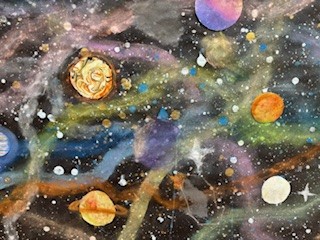
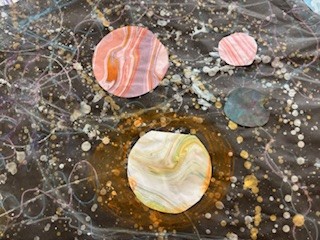
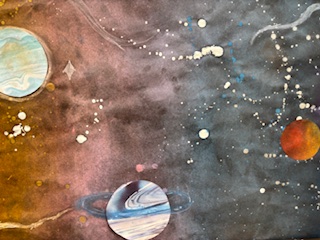
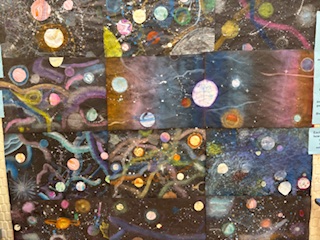
Year 5 pupils are travelling on a creative journey through space in their exciting art unit “Lost in Space.” This project encourages pupils to experiment with colour, pattern and abstract art while learning about different artistic techniques. The children began by studying the colourful abstract artwork of Julie Perrot. They discussed how artists can use colour, shape and pattern to create imaginative images that do not always represent real objects. Pupils used their sketchbooks to record ideas, comment on the artwork and practise using chalk pastels and watercolour paints. One of the most exciting parts of the projects is learning about marbling, a type of printing technique. The class will explore the work of Lucy McGrath, whose artwork often features striking patterns created through marbling techniques. The children will discovered how ink sits on shaving foam and can be manipulated to create beautiful swirling patterns. Each pupil experimented with colour combinations before carefully placing paper onto the surface of the shaving foam to capture their unique design.
Pupils experimented with oil pastels, wax crayons and watercolour washes, discovering how wax resists watercolour paint to create interesting patterns
Using all their papers, including chalk pastels, paint and marbled papers, pupils developed their own imaginative space-themed artwork. They combined drawing, collage and printing techniques to create colourful cosmic scenes. As you can imagine, splattering the paint on their backgrounds proved an ‘out of this world experience’!




Year Six
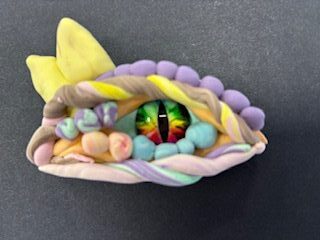
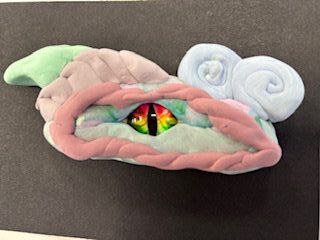
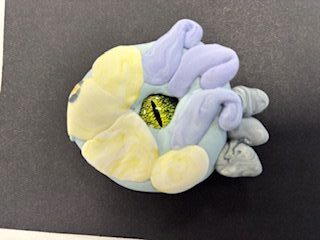
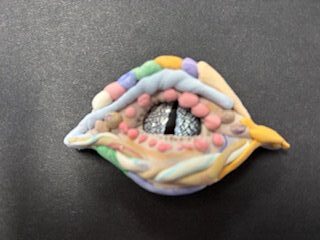
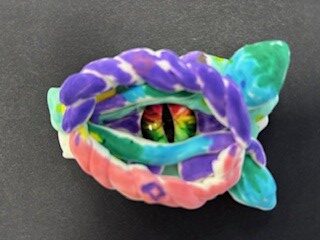
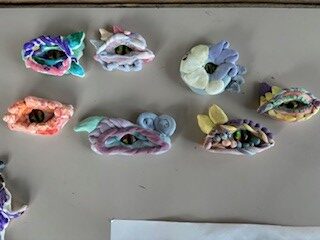
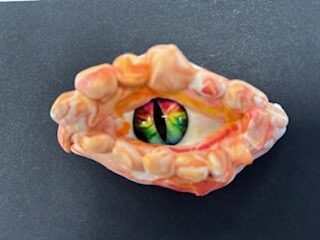
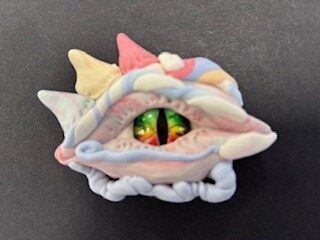
Year 6 Magical Dragon Eyes!
Year 6 got creative this week making dragon eyes with Model Magic! They carefully shaped their designs, adding texture and detail to make each one unique. Once the clay had set, they used felt tips to blend amazing colours — from fiery reds to shimmering greens and deep blues.
The results were fantastic — a whole gallery of watchful, magical dragon eyes staring back at us! Well done, Year 6!
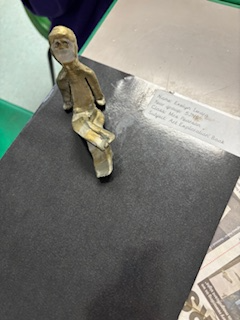
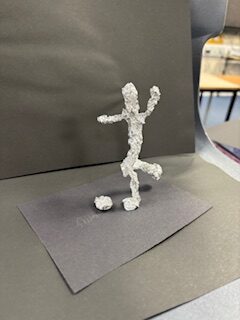
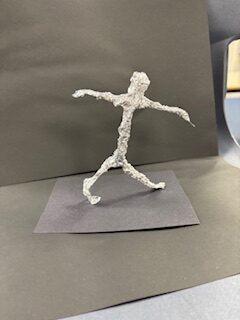
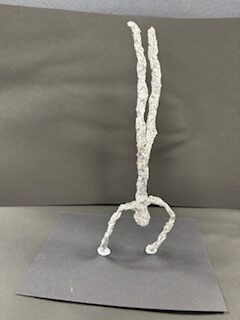
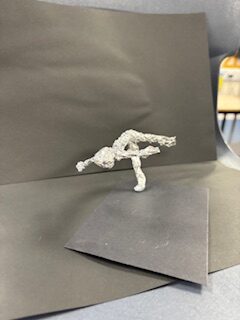
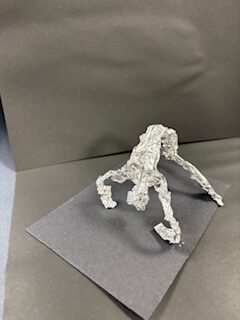
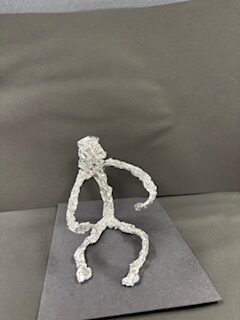
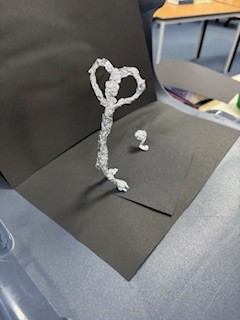
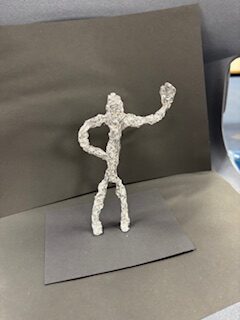
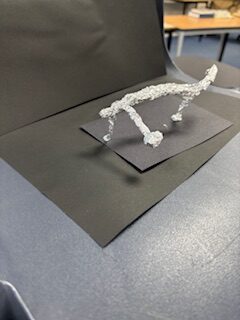
Year 3 Shiny Giacometti Sculptures!
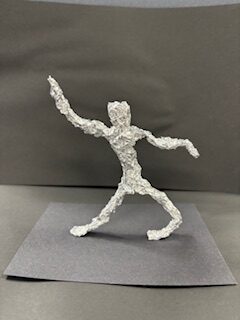
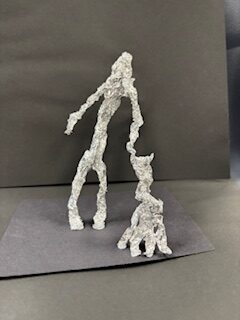
This week in Art, Year 3 became mini sculptors! We found out about the artist Alberto Giacometti, who was famous for his tall, thin figures that look like they’re caught mid-movement.
We started by practising with pipe cleaners, bending and twisting them into different action poses. Some were doing handstands, others were running, sitting, or even scoring a winning goal!
Once we’d mastered our poses, we created our final sculptures using tin foil. It was amazing to see how a simple material could turn into such expressive figures! Our classroom soon filled with shiny people frozen in action — just like real Giacometti artworks.
Everyone showed fantastic creativity and concentration. Well done, Year 3 — your sculptures are absolutely brilliant!
Mrs Pearson says:
“I’m so proud of Year 3. You challenged yourselves, worked carefully, and your tin foil figures are full of energy and personality. What a super gallery of shiny sculptures!”
Diwali 2025
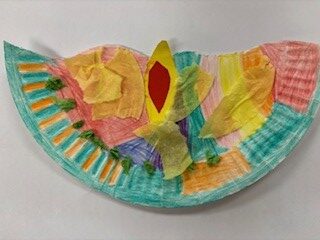
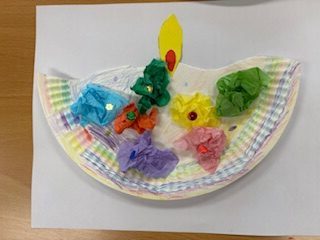
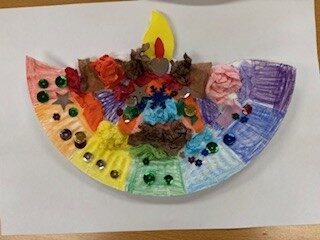
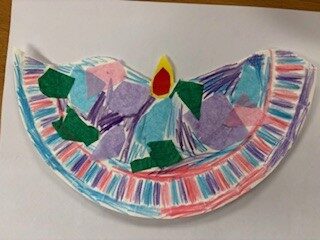
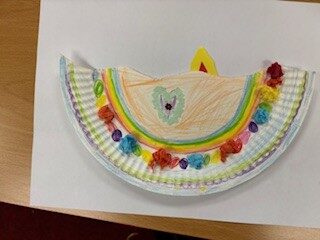
To celebrate Diwali, the Festival of Lights, our Year 2 children explored the meaning and traditions of this special festival, which is celebrated by millions of people around the world.
The children learned that Diwali is a time for joy, light, and togetherness. Families decorate their homes with diyas — small oil lamps — to symbolise the triumph of light over darkness and good over evil.
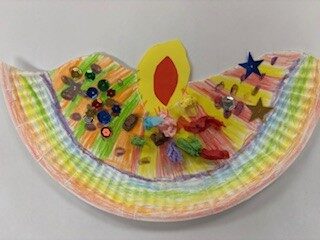
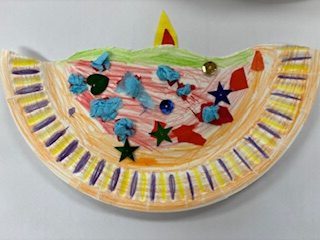
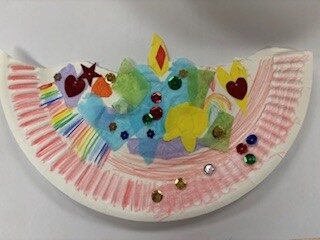
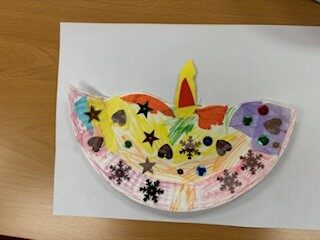
Using their colouring and collage skills, the children designed and decorated their own beautiful Diya lamps. They experimented with bright colours, tissue paper, sequins, and patterns, creating artwork that reflects the vibrancy and excitement of Diwali celebrations.
Each Diya is unique, just like the children who made them — together they create a glowing display of creativity, happiness, and learning.
✨ Happy Diwali!✨
This year Diwali starts on 21st Oct 2025 and lasts for 5 days
Festivals of colour and gratitude Year 2
Harvest Festival Art: Fruit and Pumpkin Creations
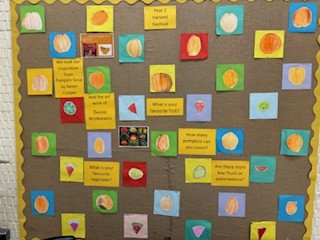
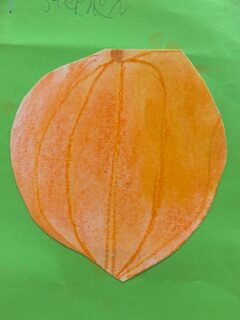
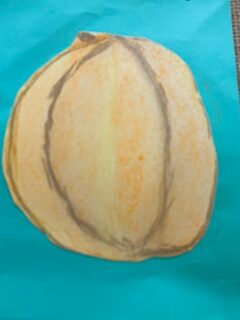
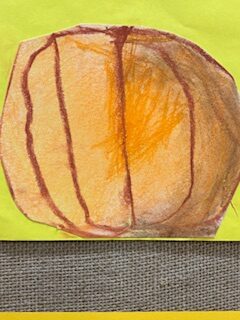
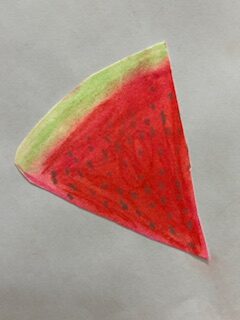
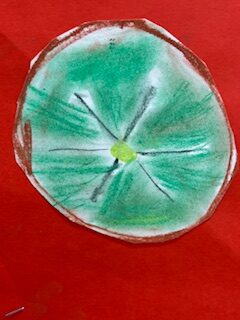
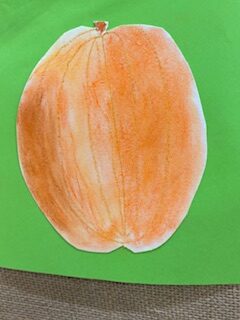
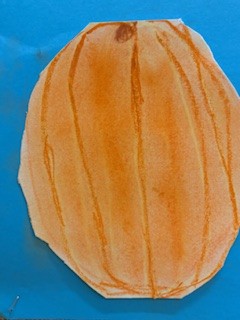
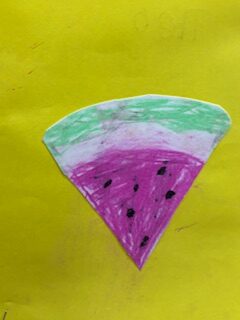
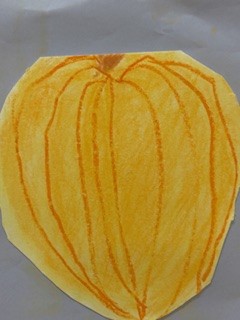
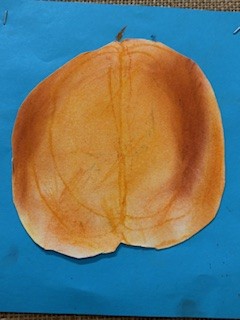
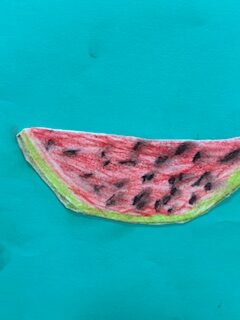
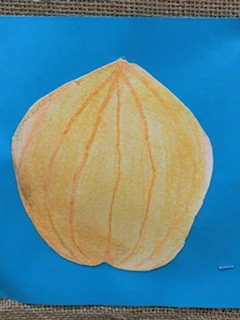
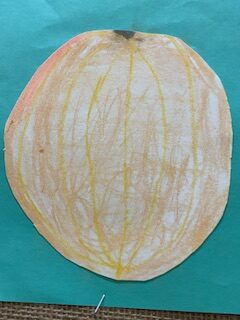
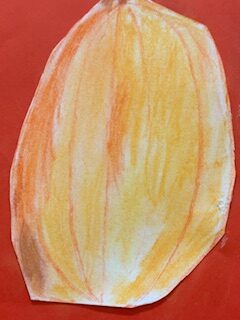
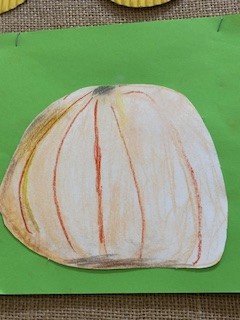
To celebrate the Harvest Festival, our Year Two children created stunning artworks inspired by Helen Cooper’s book Pumpkin Soup and the fruit paintings of artist Dennis Wojtkiewicz.
They drew pumpkins, kiwifruits, and watermelon slices, using chalk and oil pastels to explore colour blending, shading, and texture. The children worked carefully to capture the rich tones and natural beauty of harvest produce.
Their vibrant creations are a joyful celebration of autumn, creativity, and thankfulness. I’m so proud of their wonderful work!
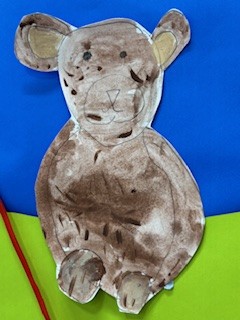
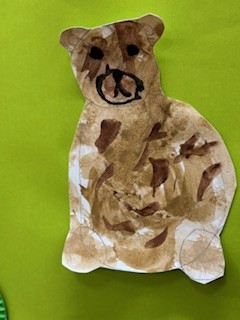
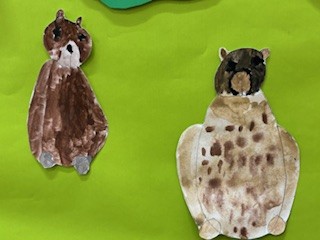
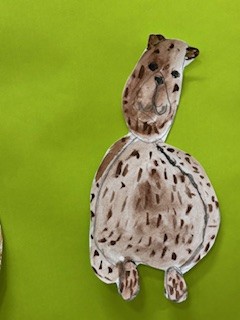
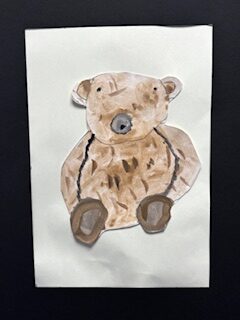
Year One – Bears, Bears everywhere!
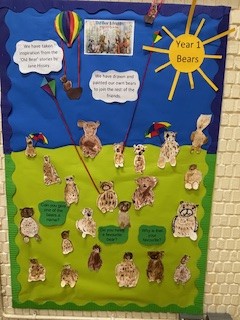
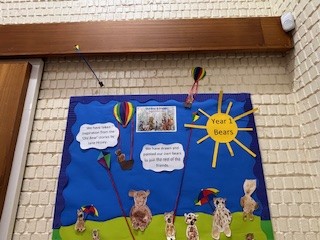
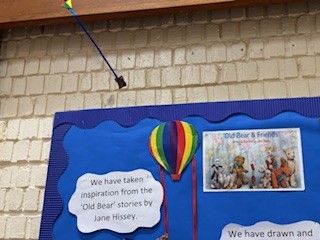
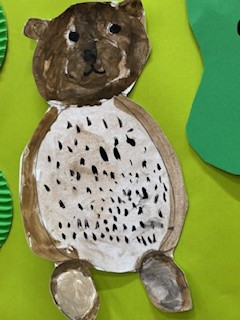
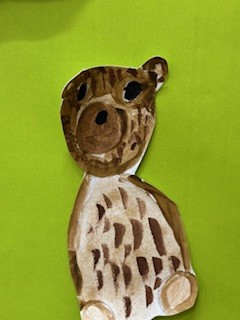
Our Old Bear Creations
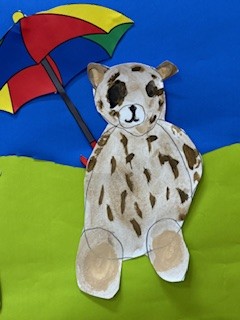
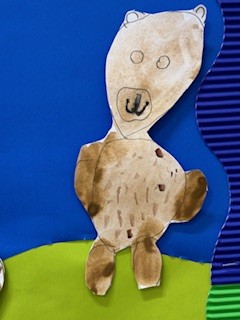
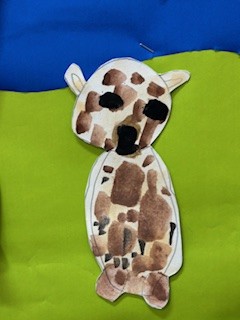
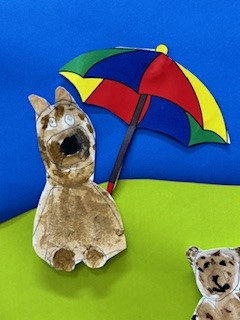
Inspired by Jane Hissey’s beloved Old Bear stories, our Year One children designed and painted their very own bears! They carefully used paint and experimented with adding darker tones to create realistic fur textures.
Each bear has its own personality and charm — just like the characters from the stories. I’m so proud of the children’s creativity, care, and attention to detail in their beautiful artwork!
Can you spot the bear trying to escape from the display?
One ‘cheeky’ bear even got themselves put on to Mr Crozier’s ‘Celebrating Success’ board!
Which bear is your favourite? It’s hard to choose, isn’t it?
Sensational Spring Artwork
We have been creating amazing artwork throughout the school this term. Here is just a selection of the work produced .
Year 6 were learning about Baghdad during their Geography and History lessons,. Therefore during our art lessons we focused on the architecture of Ancient and modern Baghad. The children created these wonderful dioramas


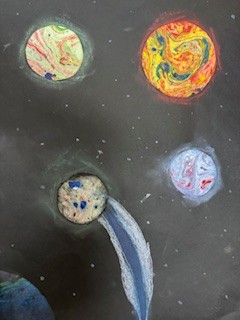
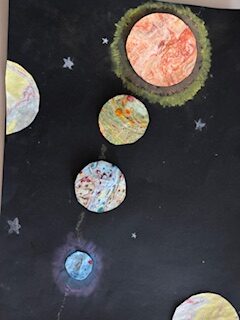
Year 5 have been learning about the Solar System, so we looked at the space artwork of Julie Perrot. We then experimented with marbling, both with shaving foam and ink and water with ink. The children then used their marbled papers, along with oil pastels and chalk pastels to created the collage space pictures that really are out of this world!






Year 6 Greeks
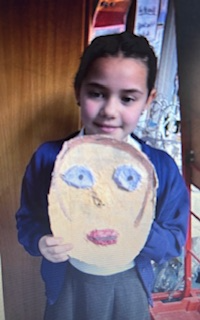
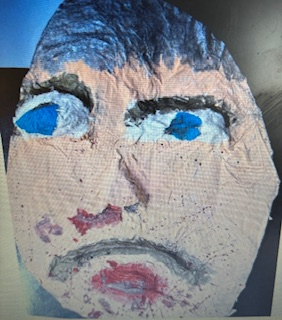
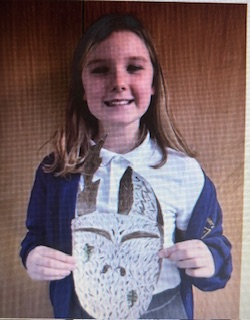
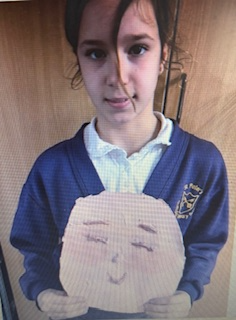
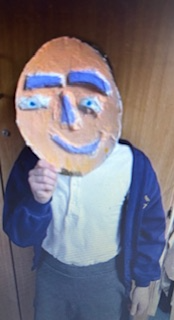
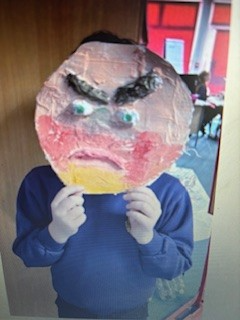
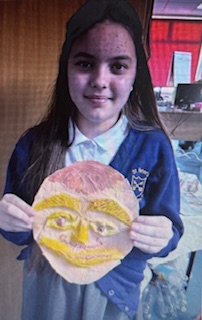
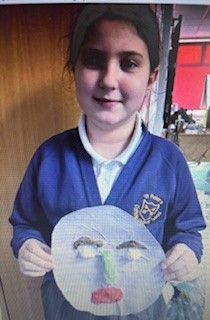
Our project during the Autumn term took it’s inspiration from the Ancient Greeks. We focused on their theatres – both the architecture of the theatre and then the masks worn by the actors while performing.
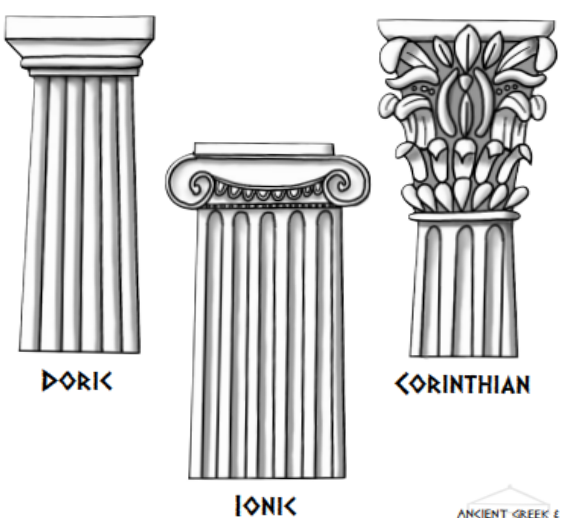
We looked at the different styles of columns that were the main feature of many of their buildings during this time. We explored drawing the different columns, thinking about the sketching pencil we were using and how to create light and shade on our columns. We used a Sharpie to add definition.
We had great fun while experimenting with marbling, using shaving foam, which while creative, also had an element of science to it. I particularly loved the WOW factor this lesson had!
Using the marbled paper the children then drew their preferred column onto it and cut it out before mounting it onto card. They were very eye-catching and looked beautiful.
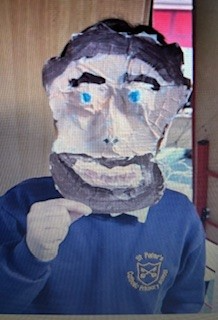
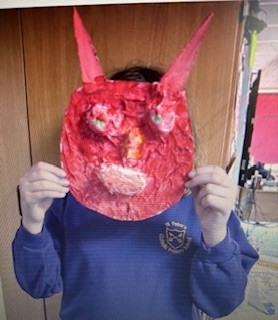
After being ‘architects’ we turned our attention to inside the theatre and concentrated on the masks used by the actors. These were often larger than life with exaggerated expressions and were a piece of art on their own. We used cardboard and Papier Mache before painting them…. Here a just a selection – can you see the expression each mask represents?







Year 5 Down in the tube station at midnight.
During the Autumn term the children learnt about the artist Henry Moore.
He was an artist who was commissioned to draw and paint pictures of Britain during WWII. He used a variety of media including pencils, charcoal wax and paints.
His work inspired the children to create their own paintings of life during air raids, underground in the tube station of London. Using a range of techniques that he used, including wax resist and one point perspective.
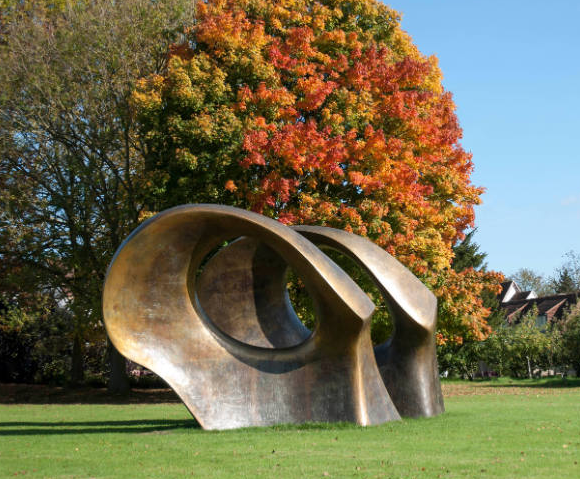
The children then looked at his sculptures and identified key features about them. They talked about where the light fell on the sculpture and did an observational drawing of it.

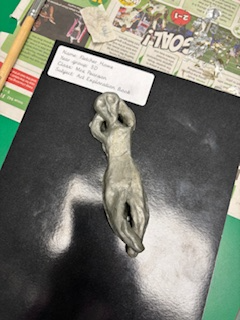
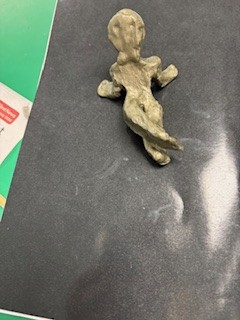
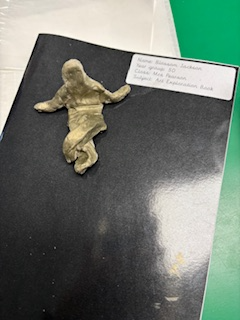
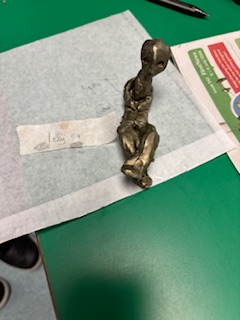
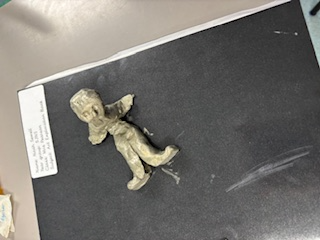
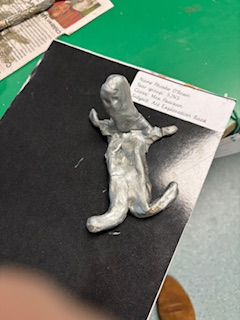
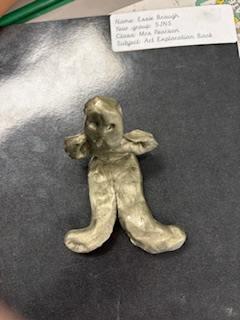
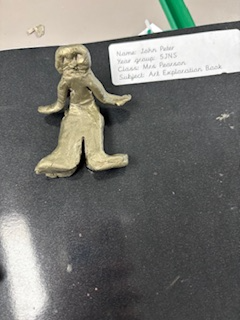
The children then created their own clay sculpture of a WWII person, in the style of Henry Moore. Once dry they mixed their own metallic paint to make their sculpture look more authentic.